


BUSINESS
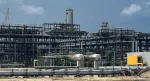
MARKETERS REJECT DANGOTE’S PLAN TO STOP PETROL SALES TO IMPORTERS
Oil marketers have criticised plans by the Dangote Petroleum Refinery to stop selling petrol to importers, arguing that the move could affect competition and fuel supply in the Nigerian market.
The marketers said restricting access to locally refined petrol could limit the options available to fuel importers and other industry players.
They urged the refinery to maintain an open and competitive market where licensed businesses can source petroleum products based on prevailing market conditions.
The development comes amid ongoing changes in Nigeria’s downstream oil sector, with the Dangote refinery playing an increasingly important role in domestic fuel supply.
The refinery has expanded its operations and increased the production of refined petroleum products as Nigeria seeks to reduce dependence on imported fuel.
However, marketers have continued to stress the importance of competition and access to supply, particularly as businesses adjust to the changing structure of the petroleum market.
They argued that allowing different players to participate in the market would help promote competition and give consumers more options.
The marketers also called on relevant government agencies to ensure that policies governing the downstream sector do not create conditions that could restrict competition.
They said the industry should operate under clear and transparent rules that protect both businesses and consumers.
The disagreement highlights the changing dynamics in Nigeria’s petroleum industry following the expansion of local refining capacity.
While domestic refining is expected to reduce fuel imports and strengthen energy security, industry stakeholders continue to debate how refined products should be distributed and sold.
The marketers urged the refinery and other industry players to resolve their differences through dialogue and ensure that their decisions do not disrupt petrol supply.
They maintained that a competitive downstream market would be beneficial to consumers and the wider Nigerian economy.