


BUSINESS
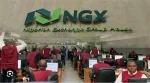
MARKET DIPS N1.3TN AS STOCK PRICES CRASH
The Nigerian stock market lost N1.3 trillion in market capitalisation on Friday as stock prices crashed across several sectors, triggered by heavy sell-offs from both local and foreign investors.
The All-Share Index dropped by 2.8% to close at 98,745.67 points, reflecting widespread profit-taking and concerns over rising inflation and monetary policy tightening. Major stocks in the banking, oil and gas, and consumer goods sectors led the decline.
Market analysts attributed the sell-off to profit booking after a prolonged rally and fears of further tightening by the Central Bank of Nigeria to combat inflation. Foreign portfolio investors were also net sellers, citing concerns over exchange rate volatility and global economic uncertainties.
The Director General of the Nigerian Exchange Limited (NGX), Mr. Temi Popoola, acknowledged the volatility but expressed confidence in the long-term prospects of the market. “Today’s decline is part of normal market correction. The fundamentals of many listed companies remain strong, and we expect a recovery in the coming weeks,” Popoola stated.
Despite the crash, some analysts see the dip as a buying opportunity for long-term investors. They pointed to attractive valuations in several blue-chip stocks and the potential for improved corporate earnings in the second half of the year.
The market capitalisation of the Nigerian Exchange now stands at N55.8 trillion, down from N57.1 trillion recorded at the beginning of the week. Trading volume was also significantly higher than average, indicating heightened investor activity.
The sell-off has raised concerns among retail investors, many of whom have seen their portfolios decline sharply in recent sessions. Financial advisors have recommended a cautious approach and diversification to mitigate risks in the current volatile environment.
As the market reacts to both domestic and global factors, analysts will be closely monitoring economic data releases and corporate earnings reports in the coming weeks to gauge the likely direction of the market in the short term.