


POLITICS &POLICY
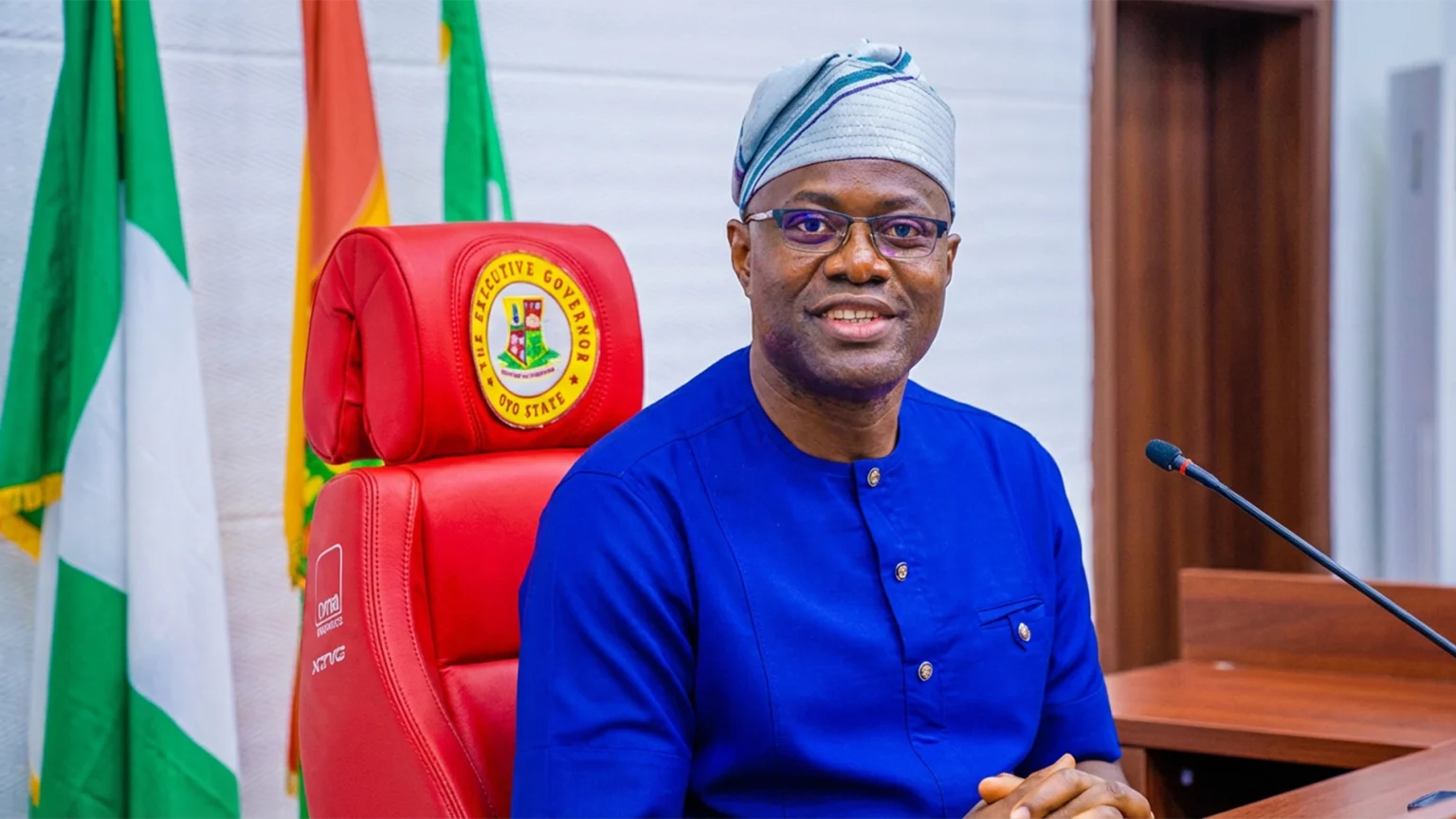
MAKINDE SLAMS TINUBU’S ECONOMIC MANAGEMENT, ALLEGES BUDGET MISALIGNMENT
Oyo State Governor Seyi Makinde has criticised President Bola Tinubu’s handling of Nigeria’s economy, raising concerns about the alignment between government budgets and the country’s economic priorities.
Makinde’s comments add to the growing debate over the federal government’s economic policies and whether public spending is delivering enough relief to Nigerians facing rising living costs.
Since taking office, the Tinubu administration has introduced major economic reforms, including the removal of the petrol subsidy and changes to foreign exchange management. While the government has defended these measures as necessary to stabilise the economy and improve public finances, they have also contributed to significant concerns about the cost of living.
For many households, higher transportation costs and rising prices of food and other essentials have made it increasingly difficult to manage everyday expenses. Businesses have also faced pressure from higher operating costs, currency fluctuations and weaker consumer purchasing power.
Makinde’s criticism, particularly his concerns about budget alignment, raises questions about how government spending is connected to stated economic objectives. Budgets are intended to translate policy priorities into practical programmes, infrastructure projects and public services. When spending plans do not adequately support those priorities, concerns can emerge about efficiency and the impact of public expenditure.
Effective budget planning requires governments to set clear objectives, allocate resources according to pressing needs and monitor whether funded programmes are delivering measurable results. In Nigeria, issues such as unemployment, infrastructure gaps, food affordability and access to healthcare remain important considerations in decisions about public spending.
The debate also reflects wider disagreements among political leaders about how best to manage the economy. While some support the federal government’s reforms as necessary long-term adjustments, critics argue that stronger measures are needed to protect vulnerable households and stimulate productive economic activity.
For ordinary Nigerians, the key question is whether economic policies and budget decisions will translate into improved living standards, more jobs and greater financial stability.
As discussions over the economy continue, the federal government faces pressure to demonstrate that its policies are producing tangible benefits while addressing the immediate difficulties experienced by citizens.