


BUSINESS &ECOMONY
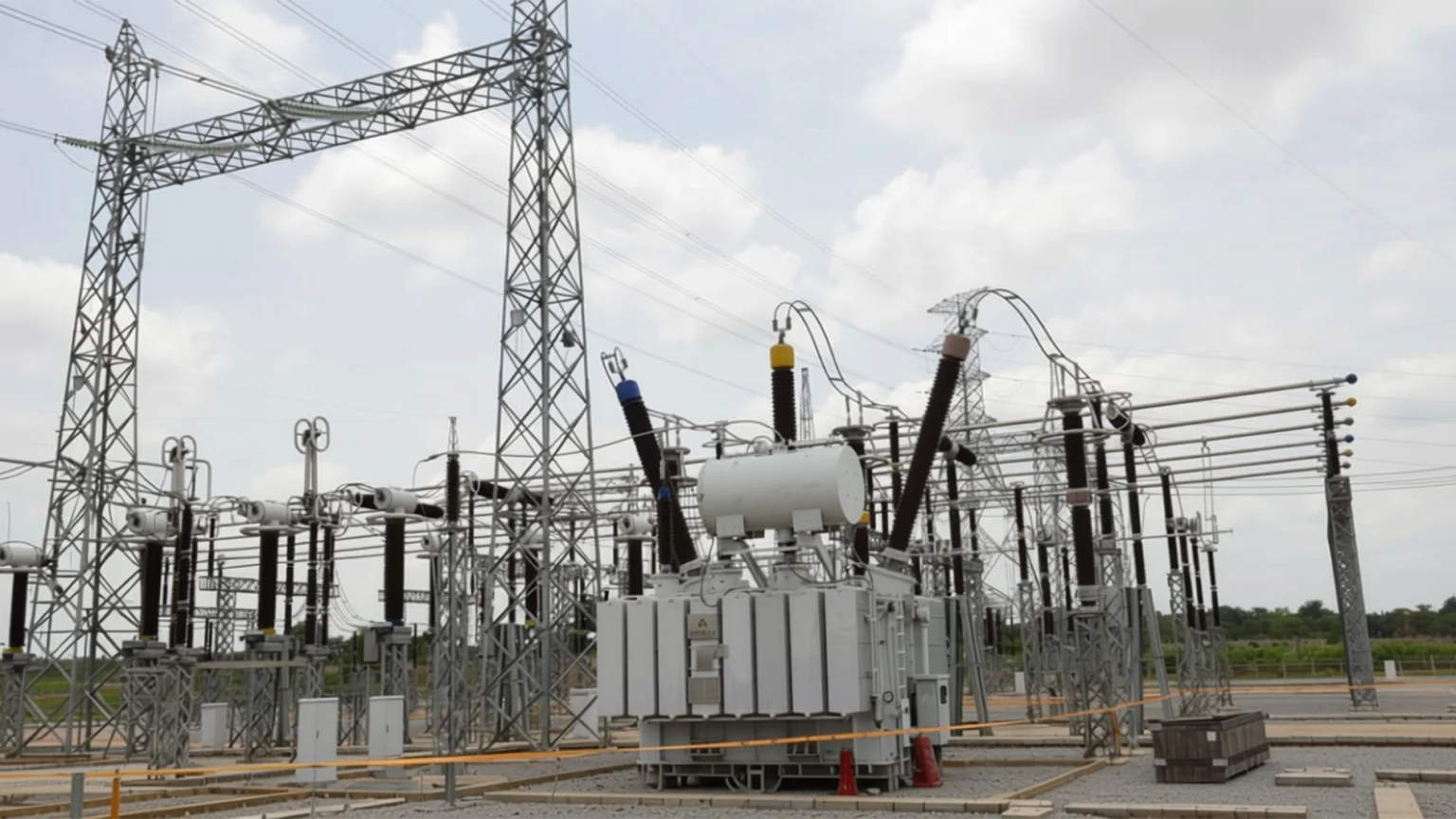
LCCI RAISES ALARM ON MULTIPLE GRID FAILURES, TACKLES DISCOS ON POOR SERVICE DELIVERY
The Lagos Chamber of Commerce and Industry (LCCI) has raised concerns over repeated failures of Nigeria’s national electricity grid, while criticising electricity distribution companies (DisCos) over poor service delivery.
The concerns highlight the continued challenges facing Nigeria’s power sector, where unreliable electricity remains a major obstacle for households, businesses and industries.
Repeated grid failures can disrupt electricity supply across multiple locations, forcing businesses to rely on alternative power sources to keep their operations running. For manufacturers, retailers and service providers, these interruptions can lead to higher operating costs, production delays and lost revenue.
Small and medium-sized enterprises are particularly vulnerable because many lack the financial capacity to absorb the cost of running generators or investing in alternative energy systems. The additional expenses can affect their profitability and make it harder to expand or employ more workers.
The LCCI's criticism of DisCos also draws attention to concerns about the quality and consistency of electricity supplied to consumers. Distribution companies are responsible for delivering power to customers within their networks, making their performance an important part of the overall electricity system.
However, Nigeria's power challenges extend across the entire electricity value chain, including generation, transmission and distribution. Addressing the problem requires coordinated improvements rather than placing responsibility on a single part of the sector.
Businesses and consumers need more reliable electricity, clearer communication about outages and better accountability when service falls short. Improvements in grid infrastructure, maintenance, generation capacity and distribution networks could help reduce disruptions over time.
The concerns raised by the LCCI underscore the economic cost of unreliable power and the urgency of reforms that deliver practical results.
For Nigeria's businesses to compete effectively, consistent electricity supply is essential. Reducing grid failures and improving distribution performance could help lower operating costs, support productivity and create a more favourable environment for investment and job creation.