


GOVERNMENT & POLICY
LAWS INSUFFICIENT TO PROTECT WOMEN FROM GBV, TORTURE, STAKEHOLDERS WARN
Stakeholders have warned that existing laws and enforcement mechanisms remain insufficient to protect women and girls from gender-based violence (GBV), torture and other forms of abuse, calling for stronger legal safeguards and improved access to justice.
The concerns centre on the continued prevalence of domestic violence, sexual assault, harmful traditional practices and other abuses despite the existence of laws intended to protect vulnerable people. Advocates argue that legal provisions alone cannot address the problem unless authorities ensure effective implementation, timely investigations and accountability for offenders.
They noted that many survivors face significant barriers when seeking justice, including social stigma, fear of retaliation, financial constraints and limited access to legal assistance. In some communities, cultural attitudes and pressure to settle cases privately can discourage victims from reporting abuse.
Stakeholders also expressed concern about the treatment of survivors during investigations and court proceedings, stressing that insensitive questioning, delays and inadequate support services can deepen their trauma.
The warning followed a virtual national dialogue on preventing gender-based violence and torture against women, organised by the Legend Golden Care Foundation (LGCF) in partnership with the World Organisation Against Torture.
In a communiqué issued after the dialogue, participants called for stronger implementation of existing legal frameworks, improved coordination among relevant institutions and wider access to legal aid and referral services for survivors. They stressed that laws would have limited impact without adequate funding, effective investigations and accountability for institutions responsible for protecting vulnerable people.
The foundation’s project lead, Umulkuruthum Dauda, said the organisation had begun interventions targeting rural and incarcerated women. At Suleja Custodial Centre in Niger State, the initiative reached 30 women through sessions on menstrual hygiene, emotional wellbeing and survivors’ rights, alongside the distribution of dignity kits.
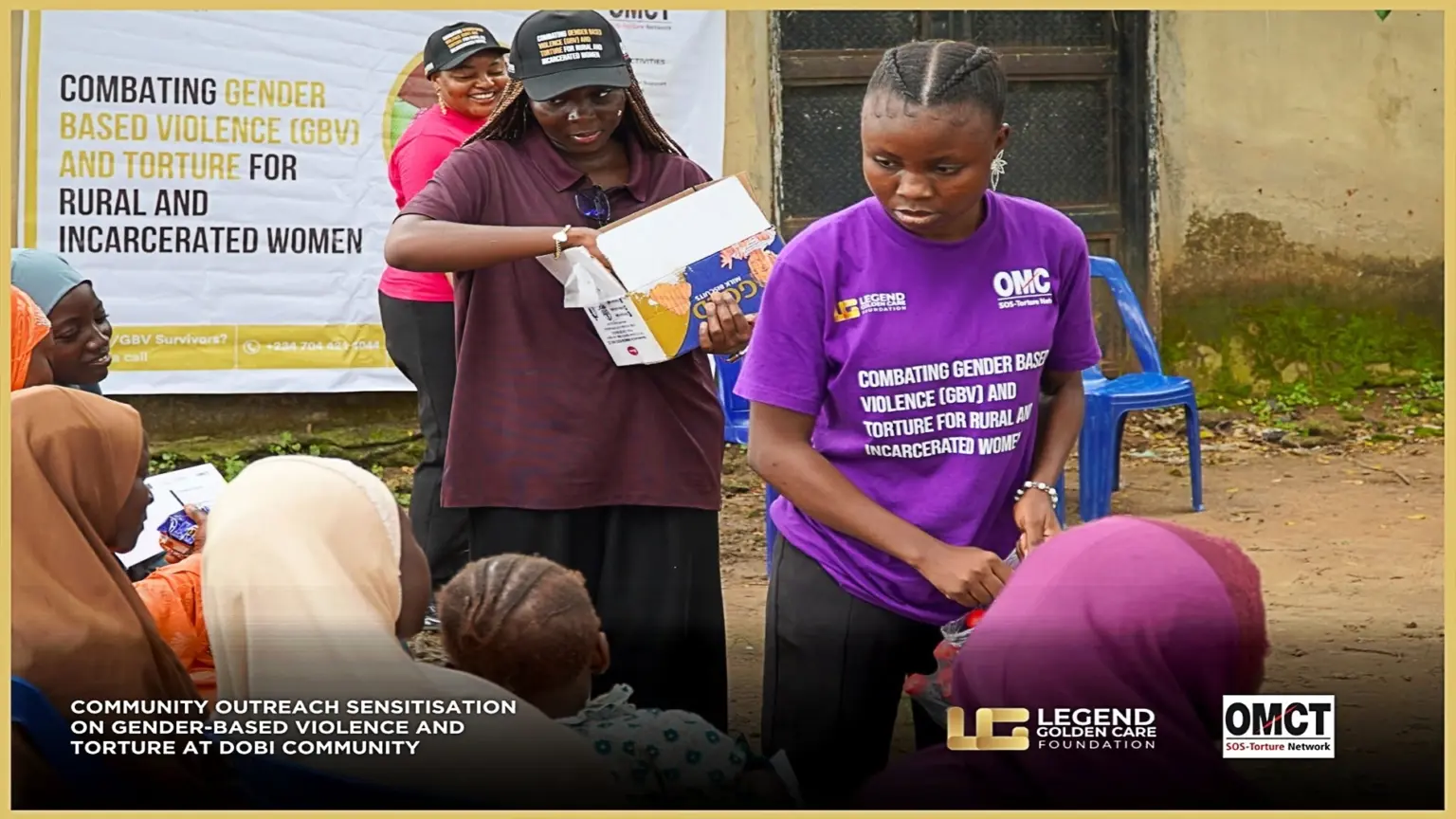
The foundation also conducted a sensitisation programme in Dobi community, Abuja, focusing on gender-based violence, torture prevention and human rights.
Dauda explained that the initiatives were designed to raise awareness, challenge harmful social practices and help women understand their rights and available avenues for assistance.
Participants emphasised that women in rural communities and custodial facilities often face additional barriers to protection, making targeted interventions and accessible support services essential.
They urged government agencies, civil society organisations and communities to work together to prevent abuse, strengthen institutional responses and ensure survivors receive appropriate legal and psychosocial support.
The stakeholders maintained that protecting women requires more than legislation; it demands consistent enforcement, adequate resources and a coordinated commitment to safeguarding their dignity, safety and fundamental rights.