


BUSINESS &ECOMONY
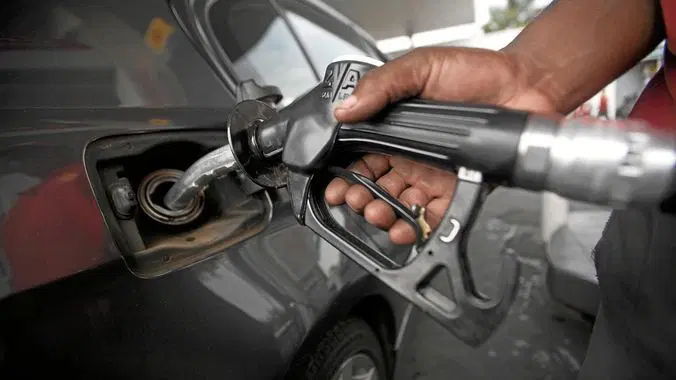
LANDING COST OF PETROL FALLS TO N1,283.81/LITRE
Petrol Import Cost Falls to ₦1,283.81 Per Litre—Will Pump Prices Follow?
The cost of bringing petrol into Nigeria has dropped slightly, raising the question many Nigerians care about: will buying fuel at filling stations become cheaper?
Petrol’s landing cost fell to ₦1,283.81 per litre, down from ₦1,292.88, according to reports citing a bulletin from the Major Energies Marketers Association of Nigeria (MEMAN). That represents a reduction of ₦9.07 per litre, or about 0.7%.
Landing cost refers to the cost of importing petrol into the country before additional distribution expenses and retail margins. It is different from the pump price motorists pay at filling stations.
For consumers, the immediate effect appears limited. Reports published on October 21 put petrol prices at filling stations in Abuja and surrounding areas between ₦1,370 and ₦1,429 per litre, despite the lower import cost.
A fall in landing cost can create room for cheaper petrol, but it does not automatically lead to an immediate reduction at the pump. Transport costs, depot charges, existing stock and retailers’ margins can influence the final selling price.
For a commercial driver buying fuel every day or a shop owner running a generator, even a small price reduction could help ease expenses. However, those savings will only become real when filling stations lower their prices.
The drop is a welcome development, but the bigger question remains whether it will translate into meaningful relief for Nigerian households and businesses.