


LOCAL
LAGOS TO ESTABLISH WEST AFRICA’S LEADING INTERNATIONAL FINANCIAL CENTRE
The Lagos State Government has announced plans to establish the first International Financial Centre (IFC) in the West African sub-region, positioning the state as a major hub for global finance and investment.
In a statement issued on Monday by the British High Commission’s Communications Office, TheCityUK—working in collaboration with the UK Government, Lagos State Government, the Lagos International Financial Centre Council, and EnterpriseNGR—unveiled a landmark report titled “Establishing an International Financial Centre in Lagos, Nigeria.”
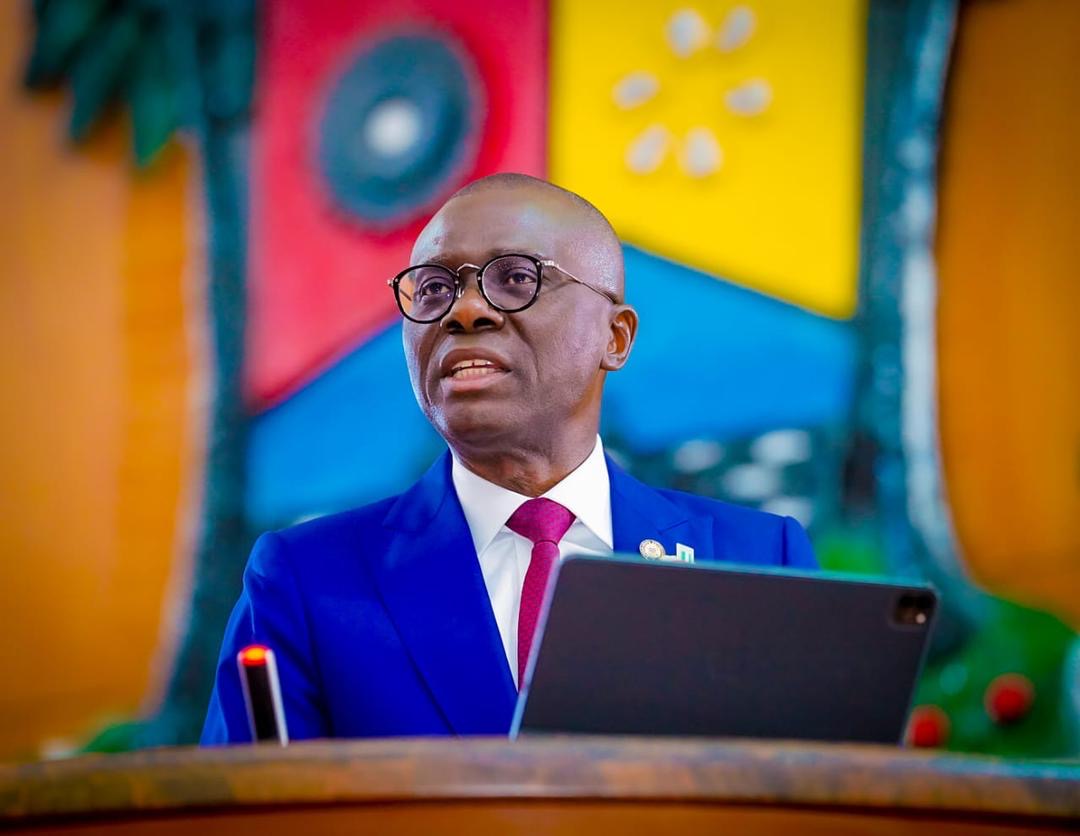
Speaking at the recently held Investopia Africa forum, Lagos State Governor Babajide Sanwo-Olu disclosed that the state would soon unveil the Lagos International Financial Centre (LIFC), a project being developed in partnership with international stakeholders to boost investment inflows and improve the ease of doing business.
The report outlines a strategic roadmap to transform Lagos into West Africa’s leading destination for international investment capital, while driving innovation and sustainable economic growth across Nigeria and the wider region. The LIFC initiative aligns with Nigeria’s Agenda 2050 and the Lagos State Development Plan 2052, aimed at achieving long-term economic prosperity, deepening financial markets, and attracting productive global investment.
The project highlights the strength of public-private partnerships, combining government leadership with private sector expertise to harness opportunities within Nigeria’s youthful and dynamic market.
The report was officially launched at an event held at the State House, Marina, attended by Governor Sanwo-Olu; British Deputy High Commissioner, Jonny Baxter; and EnterpriseNGR Board Chairman and Chief Executive Officer, Aigboje Aig-Imoukhuede, alongside Obi Ibekwe.
Key highlights of the report include a strategic vision to support Nigeria’s ambition of becoming an upper-middle-income country by 2050 through inclusive growth, poverty reduction, and the creation of high-value jobs, particularly for young Nigerians. It underscores the importance of strong UK-Nigeria collaboration, leveraging global best practices to ensure the LIFC meets international standards.
The report also recommends the adoption of an independent IFC model for Lagos to provide regulatory clarity, simplified tax and policy frameworks, and enhanced investor confidence, delivering broad economic benefits for Nigeria. Identified priority sectors for the LIFC’s initial focus include green and sustainable finance, fintech and innovation, and commodities trading and capital markets—areas considered critical to Nigeria’s future competitiveness.
Further recommendations include robust legal and regulatory reforms, independent governance structures, and close cooperation among the Lagos State Government, the Federal Government, and private sector stakeholders. Emphasis is also placed on talent development, streamlined visa regimes for international professionals, and competitive tax incentives to attract global capital.
Speaking on the initiative, Sanwo-Olu said Lagos is fully committed to the establishment of the International Financial Centre, describing it as a key tool for supporting seamless trading and strengthening the competitiveness of financial markets.
“As Nigeria’s largest economic and financial centre, Lagos plays a critical role in driving the nation’s capital markets. We must create an ecosystem that facilitates investment flows, enhances market liquidity, and promotes financial literacy,” he said.
He added that the LIFC would strengthen market infrastructure, unlock new public-private partnership opportunities in technology and capital markets, attract foreign investment, and enhance overall market competitiveness.
British Deputy High Commissioner Jonny Baxter described the report’s launch as a reflection of the deepening UK-Nigeria partnership, noting that the LIFC has the potential to unlock significant domestic and international investment, deepen capital markets, create jobs, and drive sustainable economic growth nationwide.
Managing Director, International at TheCityUK, Nicola Watkinson, said Nigeria’s large and fast-growing market makes the Lagos International Financial Centre critical to its future. According to her, a modern and integrated regulatory and business environment would help attract both domestic and global capital, stimulate fintech and green finance innovation, and create high-value employment opportunities for Nigerian youth.