


BUSINESS
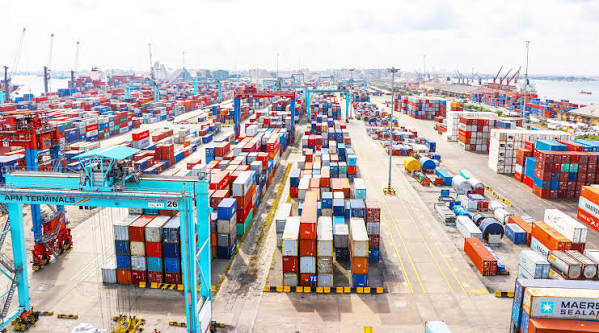
LAGOS PORTS ACCOUNT FOR 84.6% OF NIGERIA’S TRADE IN Q2
Lagos ports handled about N35.07 trillion worth of Nigeria’s merchandise trade in the second quarter of 2026, representing 84.6 per cent of the country’s total trade valued at N41.44 trillion during the period. The figures highlight the continued importance of Lagos as Nigeria’s major gateway for international trade.
The performance means that the majority of goods entering and leaving Nigeria during the quarter passed through ports located in Lagos. The concentration of trade activity in the state reflects the scale of its port infrastructure and its long-standing role as the country’s leading commercial centre.
Nigeria’s total merchandise trade stood at N41.44 trillion in the second quarter, with Lagos accounting for the overwhelming share. The figures cover international trade activities involving imports and exports recorded during the period.
The strong contribution from Lagos ports also underscores their importance to government revenue generation, business activities and the movement of goods across the country. Port operations support several areas of the economy, including shipping, logistics, haulage, customs services and other related businesses.
The latest figures come as Nigeria continues efforts to improve port infrastructure and strengthen its trade and logistics systems. Increasing efficiency at the nation’s major ports remains important for reducing delays and costs associated with moving goods while supporting international commerce.