


BUSINESS
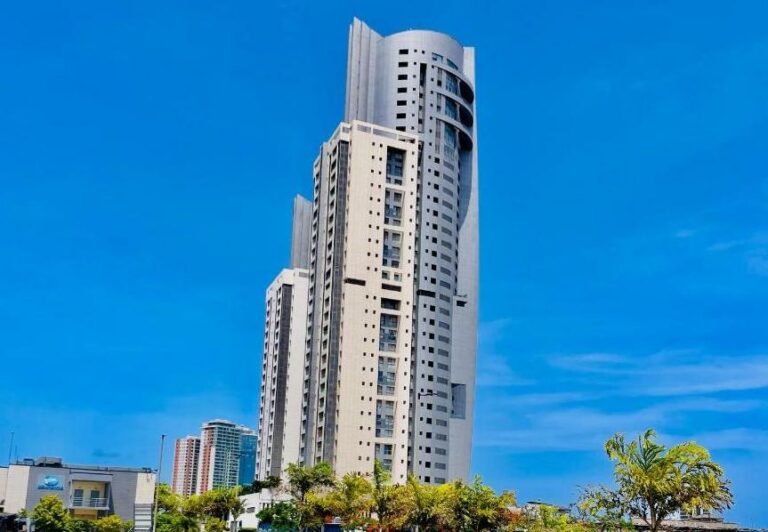
LAGOS EMERGES AMONG WORLD’S MOST EXPENSIVE CITIES FOR LUXURY TWO-BEDROOM RENTALS
Lagos has ranked fourth among the world’s 10 cities with the highest rental costs for high-end two-bedroom apartments, with tenants paying an average of $19,379 annually in 2026. The figure highlights the increasing cost of premium accommodation in Nigeria’s commercial capital, particularly in upscale neighbourhoods where demand for luxury housing remains strong. A recent report by Nairametrics attributed the elevated prices to factors including limited land availability, strong demand in prime locations, rising construction expenses, property speculation and the depreciation of the naira.
The pressure is particularly pronounced in areas such as Ikoyi, Victoria Island and Banana Island, where rents for high-end properties are frequently denominated in US dollars. The report noted that some ultra-luxury developments along the Bourdillon, Alexandra and Gerrard corridors in Ikoyi command annual rents of as much as $130,000, putting such properties firmly within the premium segment of Lagos’ increasingly expensive housing market.
For prospective tenants, the financial burden extends beyond the advertised annual rent. The report noted that tenants in Nigeria commonly face demands for one year or multiple years’ rent upfront, while agency charges can range from one or two months’ rent to about 10 per cent of the annual rent. Legal and agreement fees may also add another five to 10 per cent, while caution deposits, stamp duty, utility deposits, internet installation and service charges can further increase the total amount required before moving into a property.
Rising construction expenses have also contributed to the increase in Lagos property prices. Cement, which reportedly sold for between N5,000 and N6,000 per bag at the end of 2023, now costs about N12,500 to N15,000, while reinforcement steel has climbed to between N1 million and N1.5 million per tonne. The report said construction materials and labour can account for roughly 50 to 65 per cent of the budget for medium-sized residential projects, while land may represent about 20 per cent of expected revenue in some developments. These pressures are encouraging developers to reduce unit sizes, seek cheaper locations, adopt alternative materials and execute projects in phases.
The rising cost of accommodation comes as Lagos continues to grapple with a significant housing shortage. The city’s housing deficit was estimated at about 3.4 million units in 2025, while approximately 227,576 new homes are reportedly required every year to meet population growth and replace ageing housing stock. With demand continuing to outpace supply and development costs remaining high, the report suggests that rental prices in premium parts of Lagos are likely to remain under pressure, leaving residents to contend with increasingly expensive housing options.