


INTERNATIONAL
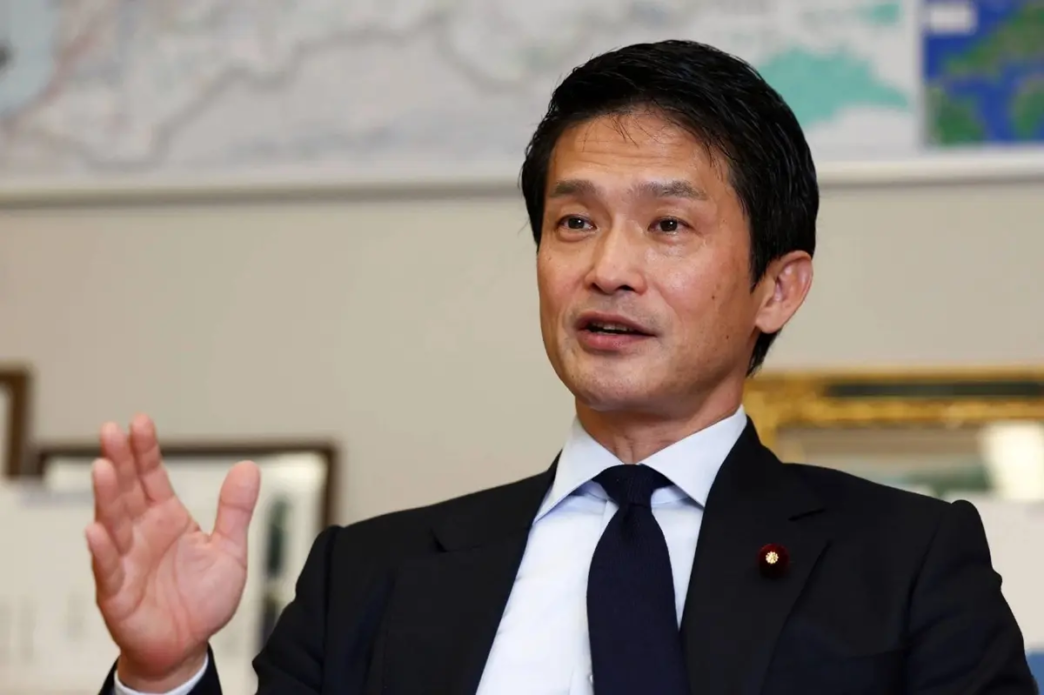
JAPAN’S MAIN OPPOSITION BLOC FACES MAJOR POLITICAL BREAKUP
Japan’s main opposition force has suffered a major political setback following internal divisions and the departure of lawmakers, weakening its position as the country’s principal challenger to the ruling Liberal Democratic Party. The development comes months after Japan’s 2026 general election, in which the ruling coalition secured a dominant majority in the lower house.
The opposition landscape has undergone significant restructuring since the election, with the Constitutional Democratic Party of Japan and Komeito lower-house lawmakers having previously joined forces to create the Centrist Reform Alliance. Junya Ogawa was subsequently chosen to lead the new bloc after its poor electoral performance left the opposition facing questions over its direction and leadership.
The latest crisis further complicates efforts by opposition parties to build a credible alternative to Prime Minister Sanae Takaichi and the ruling Liberal Democratic Party. The 2026 election gave the LDP a historic result, while the opposition was left fragmented among several parties, making coordination and the development of a unified political platform increasingly difficult.
The political shake-up follows a period of considerable instability in Japan’s opposition ranks. Parties that once operated separately have repeatedly explored mergers and alliances in an attempt to challenge the LDP’s long-standing dominance. However, ideological differences, leadership disputes and competing electoral strategies have continued to make opposition unity difficult.
The collapse of the opposition structure could strengthen the ruling bloc’s position in parliament and make it harder for rival parties to mount an effective challenge. With Japan’s next general election not constitutionally required until 2030, opposition groups now face pressure to reorganise, rebuild public support and establish a stronger political identity before the next nationwide vote.