


INTERNATIONAL
IRAN FORMS NEW MARITIME AGENCY TO CONTROL HORMUZ STRAIT TRAFFIC
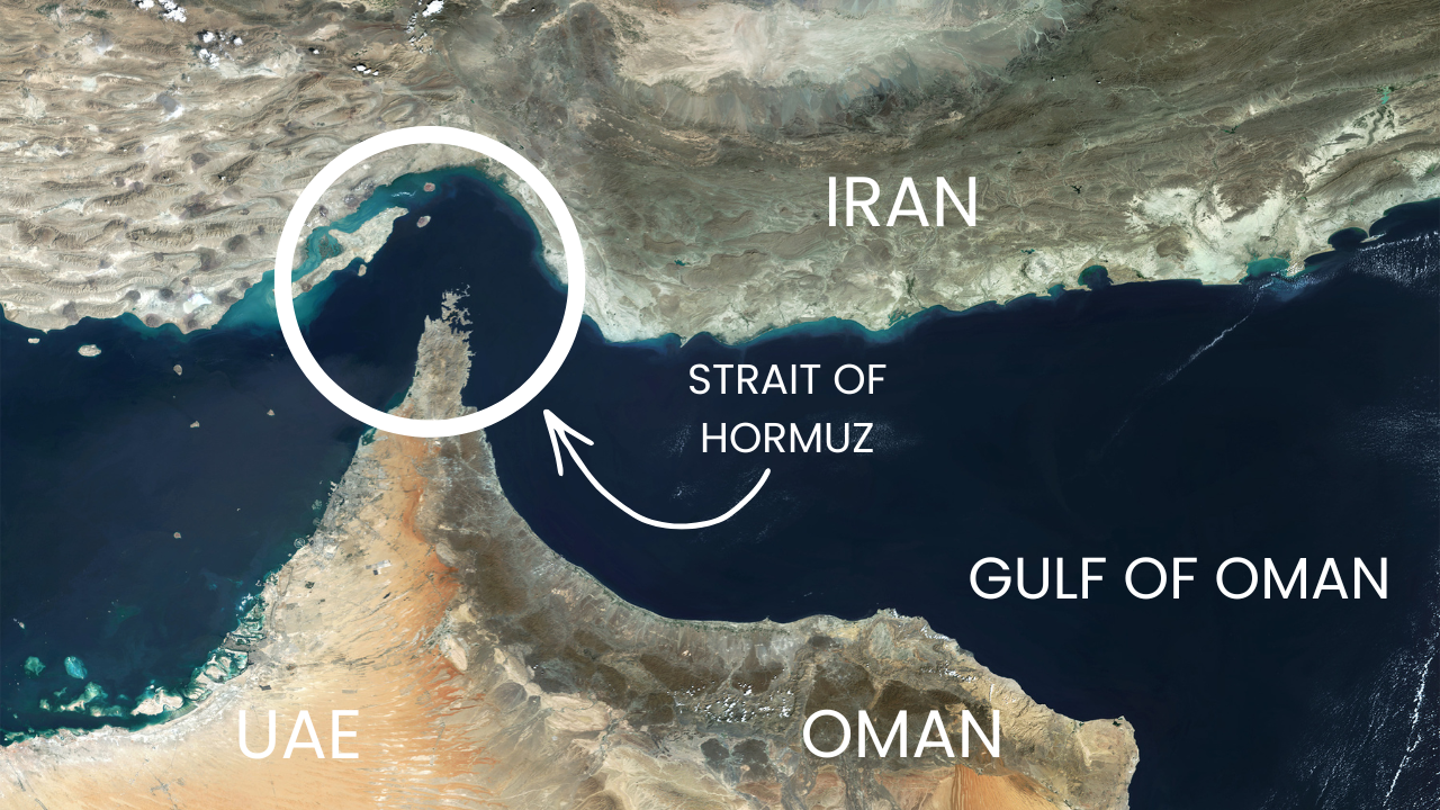
Iran’s Supreme National Security Council has announced the creation of a new body to oversee maritime traffic through the Strait of Hormuz, a critical global shipping route linking the Persian Gulf to the Gulf of Oman.
The council said on Monday via its official X account that the Persian Gulf Strait Authority (PGSA) would provide “real-time updates” on operations in the strait and coordinate developments in the waterway. The same announcement was also shared by accounts linked to the Islamic Revolutionary Guard Corps Navy.
While the exact mandate of the new agency was not fully detailed, earlier reports from Iranian state-linked media suggested it would function as a mechanism to assert greater sovereignty over maritime traffic in the strategic passage.
Iran has tightened its control over the Strait of Hormuz, a chokepoint through which about a fifth of global oil and liquefied natural gas shipments pass, amid heightened tensions with the United States and Israel since the outbreak of conflict in February 2026.
Officials have previously indicated plans to regulate shipping and impose charges on vessels passing through the waterway, with reports of regulatory notices being issued to ships.
The development has raised concerns in global energy markets, given the strait’s importance to international trade and oil supply chains, with any disruption historically linked to volatility in global prices.
Iranian officials have also suggested that maritime traffic through the strait will not return to its previous status quo, signalling a more structured and controlled system for vessel movement in the region.