


POLITICS
INEC RAISES ALARM OVER AI-GENERATED FAKE NEWS AHEAD OF 2027 ELECTIONS
The Independent National Electoral Commission has warned that the growing use of artificial intelligence to produce misleading content could pose a serious threat to the credibility of Nigeria’s 2027 general elections.
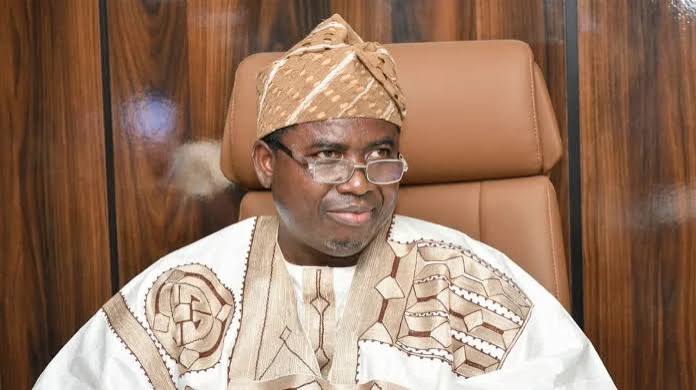
INEC Chairman, Professor Joash Amupitan, raised the concern in Abuja while delivering a keynote address at the 13th Annual International Conference of the Association of Communication Scholars and Professionals of Nigeria. The address was delivered on his behalf by National Commissioner Sani Adam.
The conference, which focused on the impact of media and technology on elections in Africa, provided a platform for discussions around the changing nature of electoral communication and the challenges created by rapid developments in digital technology.
Amupitan said advances in generative artificial intelligence had made it increasingly easy and relatively inexpensive to create synthetic audio, videos and images capable of misleading voters. He warned that such materials could be produced and circulated at a speed that makes it difficult for electoral authorities and fact-checkers to respond before the false information reaches a large audience.
The INEC chairman explained that the threat was not limited to fabricated photographs, videos or audio recordings. He also identified algorithmic microtargeting as another emerging concern, noting that technology can be used to deliver different and potentially contradictory political messages to narrowly defined groups of voters.
According to Amupitan, this could undermine the existence of a common factual basis for political debate, as different sections of the electorate may receive entirely different versions of events without being aware of the conflicting information being circulated elsewhere.
He noted that similar forms of manipulated political communication had already emerged during recent electoral cycles in parts of West and East Africa. The experience, he said, showed the need for Nigeria to prepare early for the potential impact of AI-generated disinformation ahead of the 2027 polls.
In response to the emerging technological challenges, Amupitan disclosed that INEC was undertaking a comprehensive audit of its electoral technology systems. The commission is also considering the organisation of a mock presidential election to test its preparedness and identify possible weaknesses in its systems before the actual elections.
He further revealed that INEC had proposed a substantial budget for election technology and operations. Part of the planned expenditure would cover new accreditation devices to replace equipment that was lost or damaged during the previous electoral cycle.
However, the commission was still awaiting the full release of the funds at the time of the announcement. Despite the pending budgetary process, INEC’s information and communications technology team had reportedly begun discussions with manufacturers as preparations for the technology audit and proposed mock election continued.
The INEC chairman also outlined a five-point strategy aimed at strengthening the commission’s response to emerging challenges in electoral communication.
The proposed measures include integrating technology planning with communication strategies, establishing a rapid-response system capable of addressing false information within the same news cycle, and communicating known vulnerabilities and safeguards to the public before they can be exploited.
Other elements of the strategy involve deeper collaboration with media scholars, fact-checkers and technology platforms, as well as continuous investment in public media literacy.
Amupitan stressed that technology and communication could no longer be treated as separate areas of election management. He argued that the increasing influence of digital platforms and artificial intelligence meant that both areas needed to be addressed together in order to protect public confidence in the electoral process.
He consequently called on media professionals, technology experts, academics, fact-checkers and other stakeholders to work closely with INEC in the period leading to the 2027 elections.
The commission believes that stronger public awareness and improved digital literacy will be essential in helping voters distinguish legitimate electoral information from fabricated or manipulated content.
With political activity expected to intensify ahead of the 2027 general elections, INEC’s warning highlights the growing role of technology in shaping electoral narratives. The commission is now seeking to strengthen its systems and communication mechanisms before AI-powered misinformation and disinformation can become a larger threat to voters and the credibility of the electoral process.