


BUSINESS
ILLICIT ALCOHOL TRADE UNDERMINES INVESTMENTS, JOB CREATION
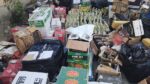
Nigeria’s growing illicit alcohol trade is threatening legitimate investments, formal jobs and government revenue, as counterfeit, smuggled and illegally produced alcoholic beverages continue to compete with registered businesses.
Industry stakeholders raised the concerns at a stakeholder workshop organised by the Spirits and Wines Association of Nigeria in Abuja, where manufacturers, regulators and policymakers discussed ways to tackle the problem.
The association said illicit products account for about 40 per cent of wines and spirits sold in Nigeria, while the country could be losing an estimated ₦428bn annually to smuggling, counterfeiting, tax evasion and illegal production.
SWAN President, Michael Ehindero, described illicit trade as a national concern, saying it threatens consumer safety, reduces government revenue and creates unfair competition for businesses that comply with regulations.
The association's Director-General, Tony Okwoju, called for stronger enforcement, better coordination among regulatory agencies and increased consumer awareness.
Legitimate manufacturers incur significant costs on factories, machinery, product testing, packaging, employee training, taxes and regulatory compliance. Illicit operators, however, often avoid many of these obligations, allowing them to sell products at lower prices.
Stakeholders said this creates an uneven market in which companies that comply with the law can struggle to compete with businesses operating outside the formal economy.
The impact also extends across the wider supply chain. Lower production by legitimate manufacturers can affect suppliers of bottles, labels and cartons, as well as distributors, logistics companies, retailers and other service providers.
The government also loses potential revenue from taxes, excise duties, customs charges and other statutory payments when products are traded outside the formal system.
Industry stakeholders therefore urged stronger collaboration among agencies including NAFDAC, the Nigeria Customs Service, the Standards Organisation of Nigeria, tax authorities and law-enforcement agencies.
They called for improved tracking systems, tougher enforcement and faster prosecution of offenders, while stressing that raids alone would not solve the problem.
Stakeholders also urged consumers to be more cautious when purchasing alcoholic products and to avoid suspicious or unverified products.
They maintained that reducing illicit trade would help protect consumers, encourage legitimate investment, strengthen government revenue and support the creation of sustainable formal employment.
The stakeholders said a coordinated approach involving government, regulators, manufacturers and consumers would be necessary to create a fairer and safer market for Nigeria’s alcoholic beverage industry.