


BUSINESS
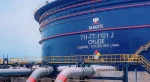
HOW DANGOTE REFINERY COULD TRANSFORM NIGERIA’S ECONOMY
The Dangote Petroleum Refinery is expected to play a major role in transforming Nigeria’s economy by strengthening domestic fuel production, reducing dependence on imported petroleum products, and improving the country’s energy security.
Industry stakeholders said increased refining capacity could help Nigeria retain more value from its crude oil resources instead of exporting crude and importing refined products.
The refinery’s operations could also reduce pressure on foreign exchange by lowering the amount of dollars required to import petrol, diesel, aviation fuel, and other petroleum products.
Analysts said a stronger domestic refining industry could create opportunities across the petroleum value chain, including transportation, storage, distribution, engineering, and other support services.
The refinery is also expected to contribute to government revenue through taxes and other statutory payments while creating direct and indirect employment opportunities.
Stakeholders noted that reliable local fuel supply could support businesses by reducing some of the uncertainty associated with imported petroleum products and international supply disruptions.
The development of a stronger refining industry could also encourage investment in petrochemicals and other downstream industries that use refined petroleum products as feedstock.
Economists, however, said the wider impact would depend on efficient operations, stable crude supply, competitive pricing, and a regulatory environment that encourages investment.
They also stressed the need for Nigeria to continue developing other sectors of the economy rather than relying solely on petroleum.
Stakeholders said the refinery represents an important opportunity for Nigeria to capture more value from its oil resources and strengthen its domestic industrial base.
They urged the government and private-sector operators to build on the development by improving infrastructure and policies that support local refining and downstream investment.