


INTERNATIONAL
HIMALAYAN GLACIAL FLOODS KILL MORE THAN 1,000 AS RESCUE EFFORTS INTENSIFY
The death toll from devastating glacial floods across the Himalayan region has surpassed 1,000, with rescue teams in Nepal and China continuing efforts to locate thousands of people still missing after the disaster.
According to authorities, at least 1,003 people have been confirmed dead across Nepal and China, while another 4,462 people remain unaccounted for. Nepal has recorded the majority of the casualties, with 987 deaths and 3,916 people still missing, while Chinese authorities have reported 16 deaths and 546 missing.
The disaster began after a high-altitude glacial collapse released a massive surge of water, rocks and debris into downstream areas. The force of the flooding destroyed settlements, roads, bridges and critical infrastructure, including power facilities.
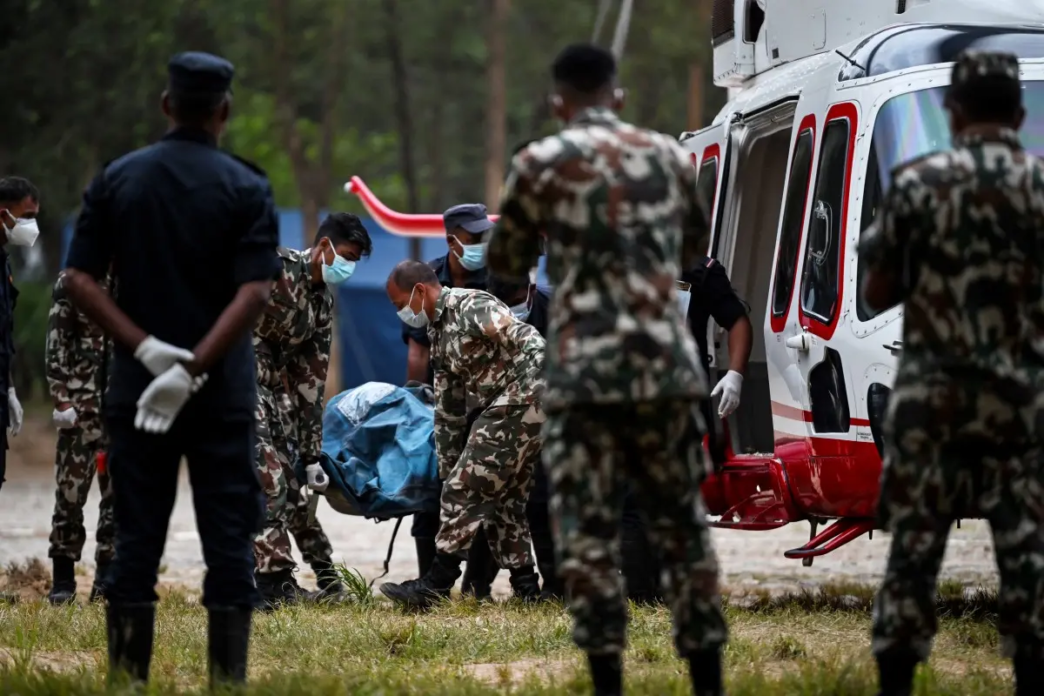
Rescue operations have been particularly difficult in Nepal, where teams are searching through heavily damaged hydropower facilities and tunnels. Around 100 workers are feared to be trapped inside tunnels, with rescuers using digging, drilling and other equipment to clear thick layers of mud and debris.
Nepal Army spokesman Raja Ram Basnet said rescue personnel remained focused on the tunnel operations while also recovering bodies from affected areas. The difficult terrain and continuing rainfall have slowed efforts to reach people who may still be trapped.
The scale of the disaster has also overwhelmed mortuaries, forcing authorities to begin burying some unidentified victims after collecting DNA samples to assist with future identification.
At least 17 additional bodies have reportedly been recovered from rivers in neighbouring India and are suspected to be connected to the disaster.
Thousands of families have been affected, with entire communities displaced by the floods. Roads and bridges have been destroyed, while damage to power plants and other infrastructure has further complicated relief operations.
Foreign nationals are also among those missing, including tourists, trekkers and Hindu pilgrims from more than 30 countries. Families have gathered at hospitals and other locations in search of information about relatives who remain unaccounted for.
Nepalese Prime Minister Balendra Shah described the destruction as unimaginable and heartbreaking while linking the growing frequency and severity of such disasters to climate change.
Scientists have warned that rising global temperatures are accelerating the retreat of Himalayan glaciers, increasing the danger of glacial collapses and sudden floods for communities living downstream.
On the Chinese side of the border, more than 2,000 people are reportedly involved in rescue and recovery operations. Authorities are also working to repair damaged roads, restore electricity and rebuild communication networks in affected areas.
However, questions remain over the full scale of the casualties in Tibet, with advocacy groups calling for greater transparency about the disaster and its impact.
As search and rescue operations continue, authorities in both countries face the enormous task of recovering victims, locating missing people and providing shelter and assistance to thousands of survivors affected by one of the region's worst recent natural disasters.