


INTERNATIONAL
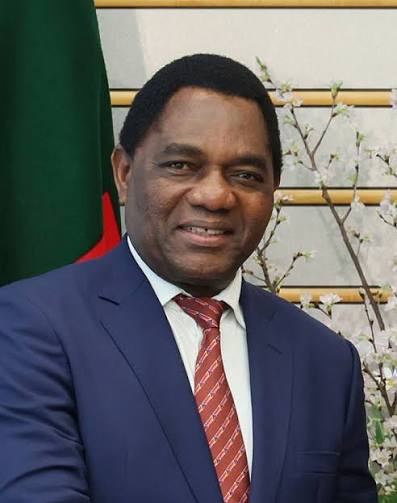
HICHILEMA TAKES OATH FOR SECOND TERM AS ZAMBIA’S OPPOSITION LEADER FACES TREASON CASE
Zambian President Hakainde Hichilema has been sworn in for a second five-year term, days after winning a closely watched presidential election that was overshadowed by allegations of intimidation, restrictions on opposition activities and concerns over the conduct of the poll.
Hichilema took the oath of office on Tuesday at the National Heroes Stadium in Lusaka, where thousands of supporters dressed in the red colours of his United Party for National Development gathered to witness the inauguration.
The 64-year-old businessman secured about 60 per cent of the vote in the August 13 presidential election, according to official results, defeating his closest challenger, former government minister Brian Mundubile, who received approximately 38 per cent.
The inauguration, attended by several African leaders, marked the beginning of Hichilema’s second term at a time when Zambia is facing heightened political tensions following the election.
Mundubile, who emerged as the main opposition candidate and finished second in the election, is currently in custody after being formally charged with treason. His running mate, Makebi Zulu, has also been detained in connection with the case.
The treason allegations followed a security operation at Mundubile’s residence on August 14, a day after the presidential election. Security forces said the operation was aimed at addressing a suspected militia and a potential national security threat.
Mundubile subsequently went into hiding, while his NRPUP alliance rejected the government's allegations and denied that the opposition was involved in any plan to threaten national security.
The opposition leader later surrendered to the police alongside his running mate and was questioned over the alleged offence before being formally charged. The specific details of the alleged treason plot have not been fully disclosed publicly.
The political dispute has raised concerns among observers about the state of democracy and political freedoms in Zambia. The August election itself was criticised over allegations of intimidation, perceived government bias and restrictions on opposition groups.
Mundubile and his political allies also disputed the election outcome, alleging irregularities during the voting and counting process. Hichilema's administration has rejected claims that the election was manipulated.
The opposition leader had initially indicated that he would challenge the presidential result in court. However, his subsequent detention on treason allegations has added another layer of controversy to the country's post-election political environment.
Despite the tensions, Hichilema proceeded with his inauguration and began his second term with a pledge to continue leading the copper-rich southern African nation.
His re-election extends his presidency beyond the first term that began in 2021, when he defeated then-President Edgar Lungu after several unsuccessful attempts to win the country's top political office.
The latest developments have placed Zambia's democratic institutions and treatment of opposition figures under renewed scrutiny as Hichilema begins his second term.
With the opposition leader facing a serious criminal case and political tensions remaining high, the new administration is expected to face pressure to demonstrate its commitment to democratic principles, political tolerance and the rule of law.