


GOVERNMENT & POLICY
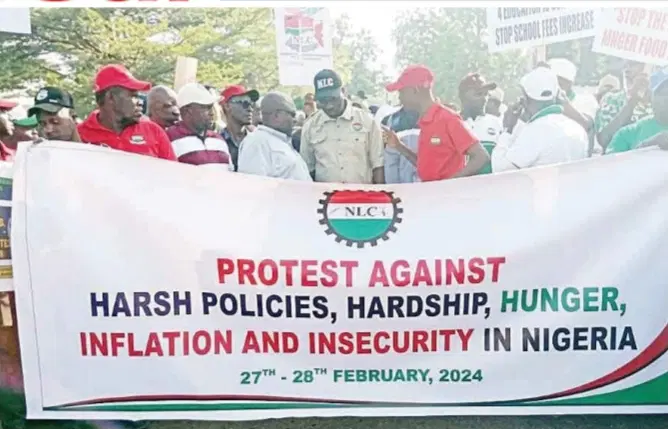
HARDSHIP: OUR PROBLEMS WITH FG’S 90-DAY RELIEF PLAN —LABOUR
Organised labour has raised concerns over the Federal Government’s 90-day relief plan, questioning whether the proposed measures are sufficient to ease the economic hardship facing Nigerian workers and households.
Labour representatives argue that temporary interventions may provide limited relief but would not address the underlying challenges driving the rising cost of living, including high food prices, transportation costs, energy expenses and declining purchasing power.
They insist that the government must prioritise policies that deliver immediate and measurable improvements in workers’ welfare rather than rely solely on short-term relief measures.
The labour movement has also emphasised the need for effective implementation, warning that poorly coordinated programmes could fail to reach the people most affected by economic pressures.
Workers continue to face difficulties meeting basic household expenses, with many struggling to cope with rising prices despite adjustments to minimum wage arrangements. Labour leaders say the gap between earnings and living costs remains a major concern.
They have called for stronger protection for vulnerable households, improved public transportation, more affordable food supplies and measures to stabilise prices of essential goods and services.
Organised labour has further urged the government to engage trade unions in designing and implementing relief programmes, arguing that workers’ representatives understand the practical challenges facing employees across different sectors.
The unions maintain that sustainable economic recovery must be accompanied by policies that create jobs, improve wages, strengthen local production and reduce dependence on imported goods.
While acknowledging the importance of government intervention, labour leaders say the success of the 90-day plan will ultimately depend on whether it produces tangible benefits for ordinary Nigerians.
They have urged the Federal Government to provide clear implementation timelines, transparent monitoring and regular updates on the programme’s impact.