


NATIONAL NEWS
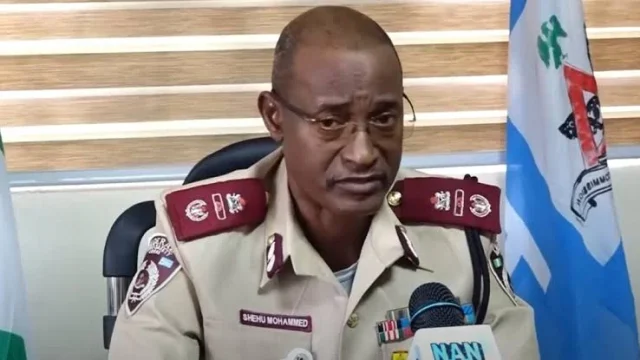
FRSC CHIEF DEMANDS HIGHER STANDARDS FROM ROAD SAFETY MARSHALS
The Corps Marshal of the Federal Road Safety Corps, Shehu Mohammed, has called on frontline personnel to maintain discipline, integrity, fairness and professionalism while carrying out their responsibilities. Mohammed made the call on Tuesday through the Zonal Corps Marshal, ACM Fredrick Ogidan, at a two-day capacity-building programme organised for frontline marshals of the RS10 Sokoto Sector Command. He said the training was designed to improve the competence and operational effectiveness of personnel while preparing them for the changing demands of road safety operations.
Mohammed stressed that frontline marshals were the most visible representatives of the FRSC because their daily interactions with motorists largely shape how members of the public perceive the agency. He therefore urged personnel to ensure that their communication, appearance, conduct and enforcement methods reflected the standards expected of a professional road safety organisation. He also advised them to apply emotional intelligence and fairness when enforcing traffic regulations, warning that traffic enforcement should be measured and respectful rather than unnecessarily confrontational.
The Corps Marshal reminded the officers that the FRSC uniform carries the authority of government and must therefore be worn and exercised responsibly. He explained that the agency’s responsibilities extend beyond traffic control and enforcement, as personnel are also expected to identify hazards, manage emerging risks and respond appropriately to changing situations on the roads. He further directed commanders and facilitators to reinforce the lessons from the programme through proper supervision, mentoring, coaching and regular assessment of personnel.
The Sokoto Sector Commander, Corps Commander Adamu Argungu, said continuous training had become necessary because of the changing road safety environment. He identified increasing traffic volumes, distracted driving, vehicle overloading, poor road infrastructure and technological developments as some of the challenges confronting road safety operations. Argungu urged participants to take part actively in the training sessions and share practical experiences, stressing that marshals were not only enforcement officers but also road safety educators, traffic managers and representatives of the FRSC.
A guest facilitator and retired Deputy Corps Marshal, Shehu Zaki, described the programme as an opportunity to reorient personnel and strengthen their understanding of their responsibilities. He said the operating environment for government agencies had changed significantly and was increasingly characterised by challenges that required continuous learning and professional development. Zaki urged participants to pay attention to sessions covering ethics, values, emotional intelligence and the rule of law, expressing confidence that the training would improve their knowledge and effectiveness when they returned to their respective commands.