


INTERNATIONAL
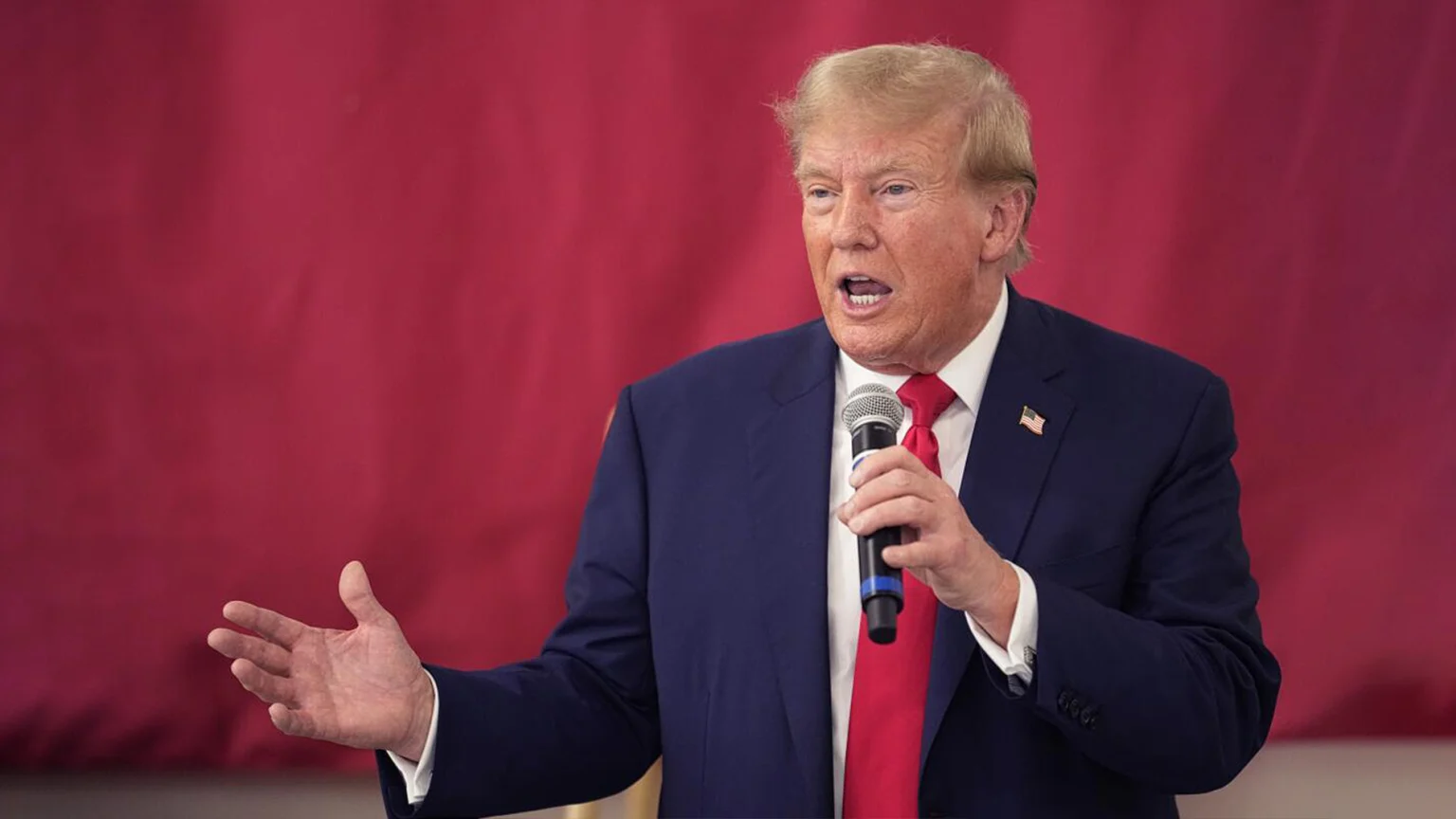
FREE-MARKET GROUPS URGE TRUMP TO EXTEND JONES ACT WAIVER TO CURB PRICES
Free-market advocacy groups have urged US President Donald Trump to extend a temporary waiver of the Jones Act, arguing that the move could help reduce shipping costs and ease pressure on consumer prices.
The Jones Act is a US maritime law that generally requires goods transported between American ports to be carried on vessels built in the United States, owned by US citizens and operating under the US flag. While supporters say the law protects domestic shipping and shipbuilding industries, critics argue that its restrictions can increase transportation costs.
The groups pushing for an extension believe that allowing a wider range of vessels to transport goods between US ports could increase competition, expand shipping capacity and provide businesses with more affordable transportation options.
Shipping costs influence the prices of many essential goods, including fuel, food and construction materials. Reducing these expenses could help businesses manage operating costs and potentially limit the extent to which higher transportation charges are passed on to consumers.
The debate comes amid broader efforts to address affordability concerns in the United States, where transportation and supply-chain expenses can contribute to price pressures. Advocates of the waiver argue that temporary flexibility in maritime rules could provide relief without requiring a permanent change to the law.
However, the potential benefits remain dependent on market conditions, the availability of vessels and whether shipping companies pass any savings on to customers.
Supporters of the Jones Act maintain that the legislation protects American maritime jobs, encourages domestic shipbuilding and supports national security by maintaining a US-controlled shipping fleet. They warn that extending exemptions could weaken these industries if the measure becomes a substitute for long-term investment in domestic shipping capacity.
The dispute highlights the challenge of balancing consumer affordability with the protection of strategic industries.
An extension of the waiver could provide additional flexibility for businesses, but its overall effect on prices and the US maritime sector would depend on the scope and duration of the exemption and the response of shipping operators.