


TECHNOLOGY
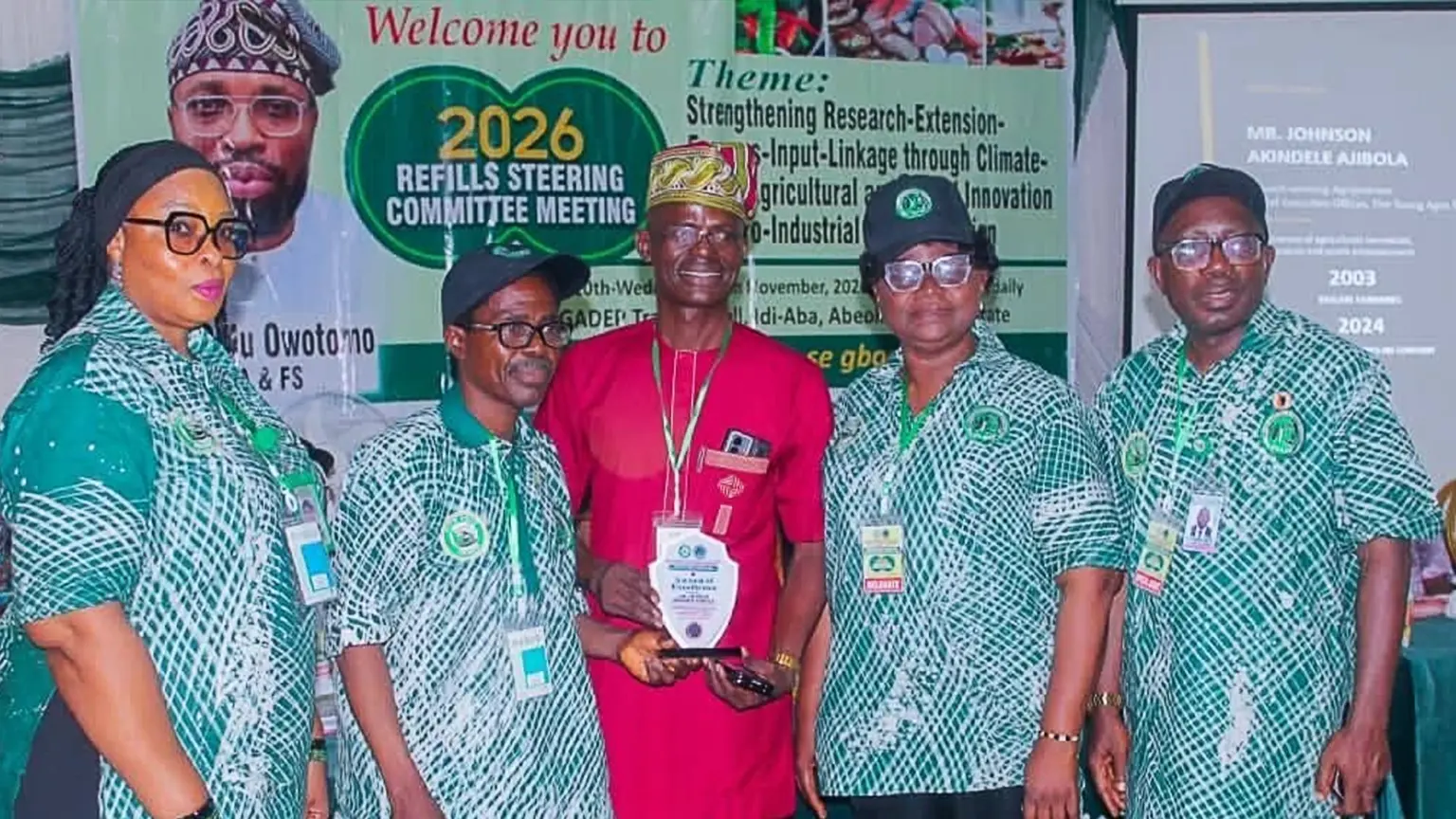
FOOD SECURITY: OGUN LEADS PUSH FOR TECHNOLOGY-DRIVEN AGRICULTURE IN SOUTH-WEST
Ogun State is leading efforts to promote technology-driven agriculture in the South-West as part of strategies to strengthen food security, improve productivity and modernise farming practices across the region.
The initiative is focused on encouraging the adoption of innovative agricultural technologies that can help farmers increase yields, reduce production costs and respond more effectively to challenges affecting food production.
Technology-driven agriculture involves the use of modern equipment, digital platforms, improved seeds, irrigation systems, data analysis and other innovations to make farming more efficient. These solutions can also help farmers access market information, monitor weather conditions and improve the management of their farms.
Ogun's push comes amid growing concerns over food prices, rising production costs and the need to strengthen local food supply chains. Agricultural stakeholders have continued to call for investments that will make farming more attractive, particularly to young people and private sector investors.
The South-West region has significant agricultural potential, with opportunities across crop production, livestock farming, food processing and agro-industrial development. However, challenges such as inadequate infrastructure, limited access to finance, climate-related disruptions and outdated farming methods continue to affect productivity.
Promoting technology adoption could help address some of these constraints while improving the competitiveness of farmers and agricultural businesses.
The effort is also expected to encourage collaboration among government institutions, research organisations, technology providers and private sector players to develop solutions suited to the needs of local farmers.
As Nigeria works to improve food availability and reduce dependence on food imports, initiatives that combine agricultural innovation with practical support for farmers could play an important role in strengthening the country's food system.