


GOVERNMENT & POLICY
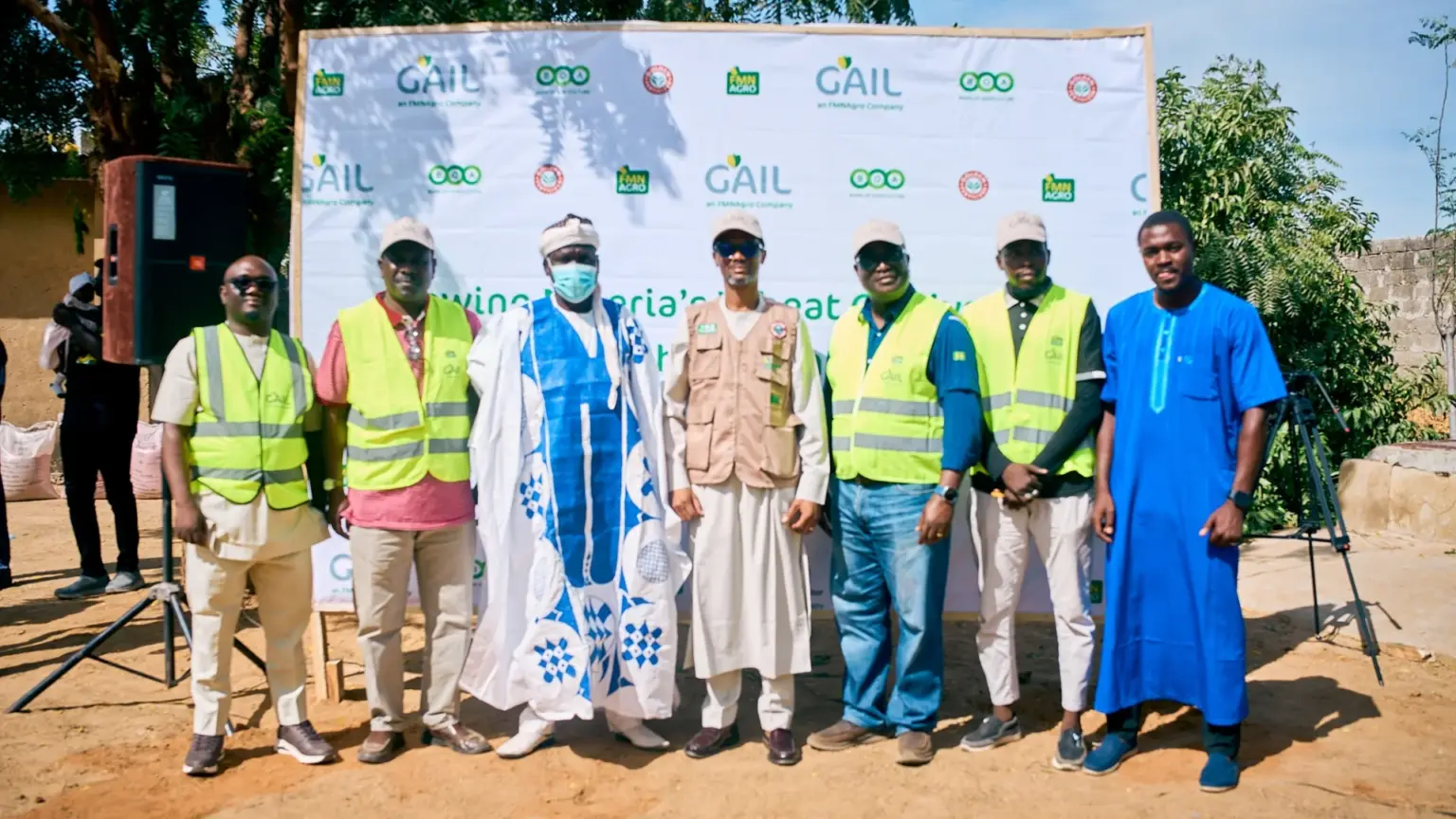
FMN, THROUGH GAIL, TARGETS 10,000 HECTARES FOR WHEAT CULTIVATION IN 13 STATES
Flour Mills of Nigeria (FMN), through its agricultural initiative, the Golden Agri-Inputs Limited (GAIL), is targeting 10,000 hectares of land for wheat cultivation across 13 states as part of efforts to strengthen local production and reduce Nigeria's dependence on imported wheat.
The initiative is expected to support the development of Nigeria's wheat value chain by encouraging farmers to expand cultivation, improving access to agricultural inputs and promoting more sustainable farming practices.
Wheat is a major raw material for the food and manufacturing industries, particularly in the production of flour, bread, pasta and other food products. However, Nigeria continues to rely heavily on imports to meet domestic demand, exposing the industry to foreign exchange pressures and fluctuations in international commodity prices.
By expanding local wheat cultivation, FMN aims to contribute to increased domestic supply, create opportunities for farmers and strengthen agricultural activities in participating states.
The 10,000-hectare target also highlights the importance of partnerships between private sector companies and farmers in building a more productive agricultural sector.
Beyond increasing the area under cultivation, the success of the programme will depend on access to quality seeds, fertilisers, irrigation facilities, technical support and reliable markets for harvested wheat.
The initiative comes amid growing efforts by businesses and government institutions to improve food security, promote local sourcing and reduce Nigeria's exposure to imported agricultural commodities.