


GOVERNMENT & POLICY
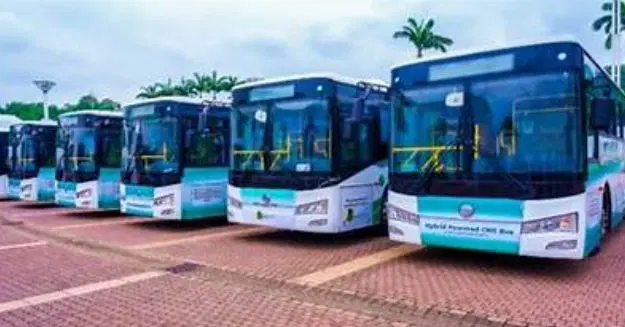
FG STEPS UP CNG PUSH WITH FUEL STATION REVIVAL, STAFF VEHICLE CONVERSION
The Federal Government is intensifying efforts to promote the use of Compressed Natural Gas (CNG) as an alternative fuel, with plans to revive selected fuel stations and convert government staff vehicles to run on the cleaner energy source.
The initiative forms part of the government's broader strategy to reduce transportation costs, encourage domestic gas utilisation and provide Nigerians with alternatives to petrol-powered vehicles.
Reviving existing fuel stations for CNG distribution is expected to expand access to the fuel and support the development of infrastructure needed for wider adoption. Limited refuelling facilities have remained one of the challenges affecting the growth of Nigeria's CNG market.
The planned conversion of government-owned vehicles is also expected to demonstrate the practicality of the technology and encourage more Nigerians, businesses and transport operators to consider switching to gas-powered vehicles.
CNG has attracted attention as a potentially cheaper alternative to petrol and diesel, particularly following the removal of fuel subsidies and the resulting increase in transportation expenses. However, its affordability depends on local supply, conversion costs and the availability of refuelling facilities.
The government's push is also linked to efforts to take advantage of Nigeria's significant natural gas resources while reducing dependence on conventional transport fuels.
For the programme to achieve widespread impact, stakeholders will need to address concerns surrounding safety standards, vehicle conversion quality, maintenance and reliable gas supply.
Expanding CNG infrastructure while encouraging public and private sector participation could help accelerate the country's transition towards alternative energy in transportation.