


BUSINESS
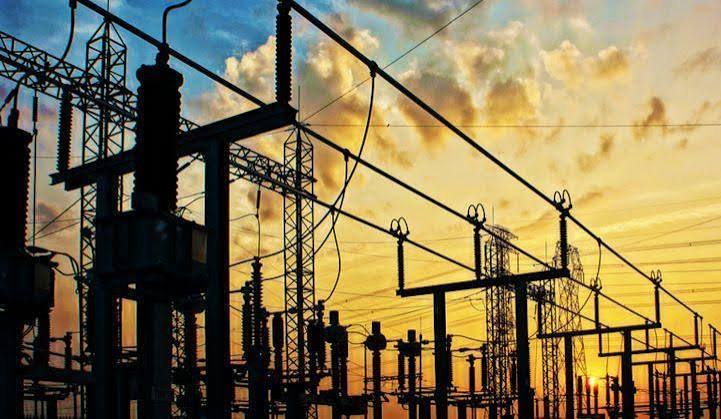
FG SECURES ₦729BN BOND TO CLEAR OUTSTANDING POWER SECTOR DEBTS
The Federal Government has raised a fresh ₦729 billion bond to help settle outstanding debts owed to electricity generation companies, known as GenCos, in an effort to strengthen the country’s electricity supply chain. The funding is expected to address part of the financial obligations that have accumulated across the power sector and ease pressure on companies responsible for generating electricity.
The debt owed to GenCos has remained a major challenge in Nigeria’s electricity market, with insufficient payments affecting the ability of power generators to meet their operational and financial obligations. By raising funds specifically to settle part of the arrears, the government is seeking to improve liquidity within the sector and strengthen the financial position of generation companies.
The latest borrowing forms part of broader efforts by the Federal Government to tackle financial problems that have continued to affect the power industry. Electricity generation and distribution have faced challenges including inadequate investment, gas supply constraints, infrastructure limitations and payment shortfalls across the value chain, making the settlement of outstanding obligations an important part of ongoing reforms.
The bond proceeds are expected to provide relief to affected GenCos and help improve confidence among investors and other stakeholders in the electricity market. Settling outstanding liabilities could also enable generation companies to meet some of their financial commitments and maintain operations, although stakeholders continue to stress the need for deeper reforms across the entire power value chain.
The government’s latest move comes as Nigeria continues to seek sustainable solutions to the recurring financial challenges in the electricity sector. While the ₦729 billion funding could provide immediate support by clearing part of the debt burden, the long-term stability of the sector will depend on improved revenue collection, efficient distribution, adequate investment and stronger financial discipline among market participants.