


BUSINESS
FG INSTALLS 668,000 ELECTRICITY METERS, TARGETS END TO ESTIMATED BILLING
The Federal Government has disclosed that 668,000 electricity meters have so far been deployed and installed at customers’ premises under the first phase of the World Bank-financed Distribution Sector Recovery Programme.
The figure represents about 60 per cent of the 1.033 million meters delivered under the programme, as the government intensifies efforts to reduce Nigeria’s electricity metering gap and improve the accuracy of electricity billing.
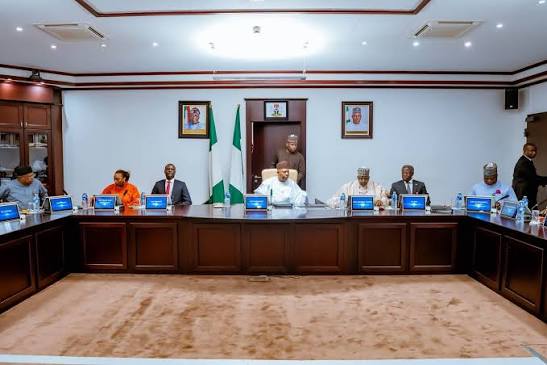
The Director-General of the Bureau of Public Enterprises, Ayodeji Ariyo Gbeleyi, disclosed the figures while briefing journalists on the outcome of the second 2026 meeting of the National Council on Privatisation, chaired by Vice President Kashim Shettima at the Presidential Villa in Abuja.
Gbeleyi said the metering programme was among the initiatives being implemented to ensure that electricity consumers have access to meters and are protected from arbitrary estimated billing. He explained that the government had already installed the majority of the meters supplied under the first phase of the programme.
The initiative is being implemented alongside other government programmes, including the Presidential Metering Initiative, as part of efforts to close the country's longstanding electricity metering deficit.
The government has identified accurate metering as an important part of improving the relationship between electricity distribution companies and their customers. With meters installed, consumers can better monitor their electricity consumption while distribution companies can rely on actual usage data when preparing bills.
The development is particularly significant for customers who have complained over estimated bills, especially in areas where electricity meters are unavailable or faulty. The Federal Government has repeatedly said that closing the metering gap remains essential to improving transparency within the power sector.
Gbeleyi also provided an update on the implementation of the Electricity Act, revealing that about 17 states had established their own electricity regulatory commissions since April 2024. Akwa Ibom State became the latest state to establish its own commission in July 2026.
He noted, however, that some aspects of the Electricity Act require further clarification and harmonisation. The National Council on Privatisation subsequently directed relevant stakeholders, including the Attorney-General of the Federation, the Minister of Power, the Nigerian Electricity Regulatory Commission and the BPE, to work together on proposed amendments.
The objective is to streamline the implementation of the law and clarify the respective responsibilities of federal and state authorities as more states establish independent electricity regulatory structures.
The Minister of Power, Joseph Tegbe, said the Federal Government was working collaboratively to ensure Nigerians receive better value from electricity and other critical sectors of the economy.
The latest meter deployment therefore forms part of the government's broader power-sector reform efforts, with authorities seeking to improve billing accuracy, strengthen regulation and ultimately provide electricity consumers with a more reliable and transparent service.