


BUSINESS
FG, GOVERNORS PLAN LOWER TRANSPORT COSTS AS CNG PROGRAMME EXPANDS NATIONWIDE
The Federal Government and state governors have agreed to work together to reduce transportation costs across Nigeria by taking advantage of the lower operating expenses associated with Compressed Natural Gas-powered vehicles.
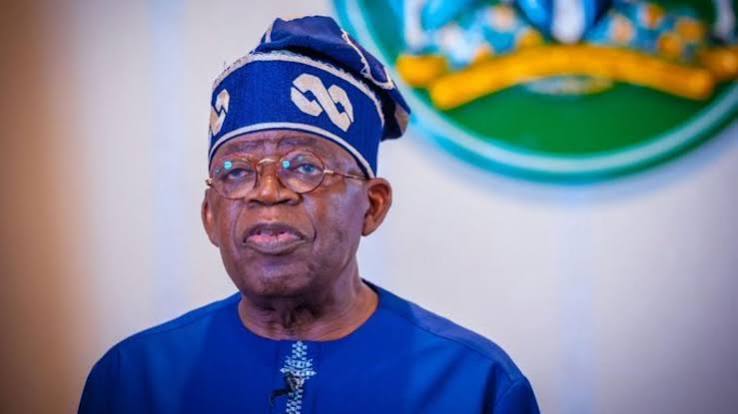
President Bola Tinubu disclosed the development on Thursday after discussions with the Nigeria Governors’ Forum, saying the governors had committed to taking immediate steps to bring down transport fares in their respective states.
According to the President, a joint Federal Government and state committee will be established to coordinate the implementation of the measures, with the target of ensuring that commuters begin to benefit from reduced fares from October 1, 2026.
Tinubu said the government’s ongoing investment in the Presidential CNG Initiative was designed to provide a cheaper alternative to petrol and reduce the impact of high fuel costs on Nigerians. He disclosed that more than 120,000 vehicles had already been converted to CNG nationwide, while over 100,000 additional conversion kits were in the pipeline.
The President also announced plans for an additional 500 CNG refuelling stations, which will bring the total number of planned stations under the initiative to 1,000. The expansion is expected to make CNG more accessible to vehicle owners and transport operators across the country.
Tinubu explained that vehicles operating on CNG could spend between 60 and 80 per cent less on fuel than comparable petrol-powered vehicles. He therefore argued that the savings from the cheaper fuel should ultimately be reflected in the fares paid by passengers.
The Nigeria Governors’ Forum had earlier endorsed a proposed National Affordable CNG Transit Programme, which is expected to involve state governments supporting vehicle conversions, transport fleets and related infrastructure.
Participating transport operators would, under the proposed arrangement, be expected to pass the benefits of lower operating costs on to passengers through reduced fares.
Bayelsa State Governor Douye Diri, who spoke after the governors’ meeting, said reducing transportation costs could have a wider effect on the economy because the cost of moving goods from one location to another is eventually reflected in the prices consumers pay.
He explained that cheaper transportation could therefore help reduce pressure on the prices of food and other essential commodities, particularly at a time when Nigerians continue to deal with the effects of rising living costs.
The governors' position comes as the Federal Government continues to pursue alternatives to petrol following the removal of the petrol subsidy in 2023, a policy that contributed to a significant increase in transportation costs.
The government has increasingly promoted CNG as one of the measures capable of reducing the burden on households and businesses by providing a cheaper fuel option for vehicles.
Earlier, the National Automotive Design and Development Council disclosed that the number of licensed CNG retail firms in the country had increased from four to 81, indicating an expansion of the infrastructure supporting the transition.
With the Federal Government and state governments now working on a joint implementation framework, attention will turn to how quickly the CNG programme can translate into lower fares for commuters.
The success of the initiative will largely depend on the availability of CNG infrastructure, the participation of transport operators and effective monitoring to ensure that the savings from cheaper fuel are actually passed on to passengers.