


BREAKING NEWS
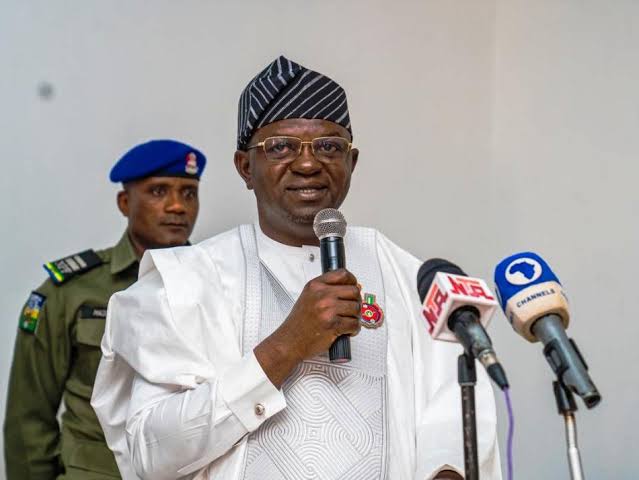
FG, DEVELOPMENT PARTNERS PUSH FOR STRONGER REFORMS IN NIGERIA’S WATER SECTOR
The Federal Government and its development partners are calling for deeper reforms in Nigeria’s water sector to improve access to clean, reliable water for millions of citizens. This renewed push aims to fix long-standing challenges like poor infrastructure, low service quality, and governance gaps that leave many communities struggling daily.
At recent high-level meetings, officials from the Federal Ministry of Water Resources stressed the need for stronger collaboration with partners such as the World Bank and others. The goal is to accelerate ongoing programmes like the Sustainable Urban and Rural Water Supply, Sanitation and Hygiene (SURWASH) initiative and the National Urban Water Sector Reform Programme. These efforts focus on rehabilitating water facilities, strengthening state water agencies, and promoting better management practices.
For ordinary Nigerians, especially in rural areas and underserved urban communities, the stakes are high. Many families still rely on unsafe sources like streams or expensive vendors, leading to health issues and lost productivity. Women and children often bear the burden of fetching water over long distances, affecting education and livelihoods.
The reforms target key areas: improving irrigation for farmers, upgrading urban water supply systems, enhancing sanitation, and building climate-resilient infrastructure. Partners are supporting institutional changes, better regulation, and private sector involvement to make water services more sustainable and financially viable.
This renewed commitment comes as Nigeria works towards SDG 6 clean water and sanitation for all. While progress has been made in some states, much more is needed nationwide. Government officials expressed optimism that sustained reforms and increased investment will bridge the gap.
Citizens are encouraged to support these efforts by paying water bills promptly, protecting public facilities, and reporting issues in their communities. With stronger policies and collective action, Nigeria can move closer to a future where every home, school, and hospital has reliable access to safe water.
The message is clear: water is life, and reforming the sector is essential for national development and the well-being of all Nigerians.