


POLITICS
FG DENIES NIGERIA OR ECOWAS BACKED FAILED MILITARY TAKEOVER IN NIGER
The Federal Government has rejected claims circulating on social media that Nigeria or the Economic Community of West African States supported the recent failed attempt to overthrow Niger Republic’s military authorities.
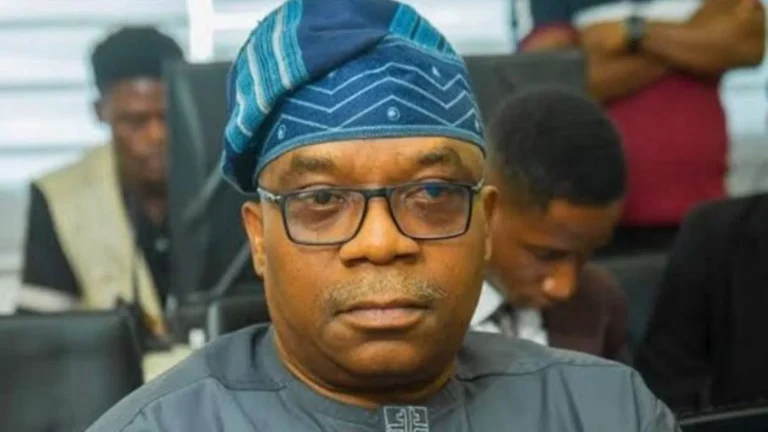
The Minister of State for Foreign Affairs, Ambassador Sola Enikanolaiye, described the allegations as false and mischievous, saying they were part of an attempt to mislead the public and damage Nigeria’s reputation.
In a statement issued on Thursday, Enikanolaiye said the Federal Government had taken note of social media reports suggesting that the failed coup attempt in Niger had received backing from ECOWAS and, by implication, Nigeria. He categorically dismissed the claims, stressing that Nigeria does not support military coups or any form of unconstitutional change of government.
The minister reaffirmed Nigeria’s commitment to constitutional governance, democratic principles and stability across West Africa and the wider African continent. He urged members of the public to disregard the narratives being circulated online, particularly claims presented without credible evidence.
The controversy followed a failed military mutiny in Niger on August 29, 2026, when armed soldiers launched attacks around strategic locations in the capital, Niamey, including the presidential area and the military facilities around Diori Hamani International Airport. Nigerien authorities eventually regained control, with Russian Africa Corps forces reported to have assisted government troops in suppressing the uprising.
The attempted takeover represented one of the most serious challenges to Niger's military government since General Abdourahamane Tiani seized power in 2023. The mutiny reportedly involved soldiers frustrated by worsening security conditions and continued attacks by jihadist groups operating in parts of the country.
Following the incident, questions emerged online about the position of neighbouring countries and regional organisations, particularly because Niger has been at odds with ECOWAS since the 2023 coup that removed elected President Mohamed Bazoum.
Nigeria, however, has maintained that its position remains opposed to unconstitutional changes of government. The government had earlier expressed concern over the political and security situation in Niger following the attempted coup and called for a peaceful resolution and a return to constitutional order.
Enikanolaiye said the latest allegations should therefore be treated as misinformation rather than a reflection of Nigeria's foreign policy. He stressed that the Federal Government would not support military intervention aimed at replacing a government outside constitutional processes.
The Foreign Affairs Ministry also reaffirmed Nigeria's continued commitment to regional stability and its obligations under the ECOWAS Protocol on Democracy and Good Governance, which promotes constitutional rule and rejects military takeovers.
The minister's statement is intended to put to rest suggestions that Nigeria played a role in supporting the failed attempt in Niger, while reaffirming Abuja's stated opposition to unconstitutional changes of government in the region.
Nigeria's clarification comes at a particularly sensitive period for West Africa, where military governments in Niger, Mali and Burkina Faso have challenged the authority of ECOWAS and pursued closer security relationships with alternative partners, including Russia. The latest failed mutiny in Niger has further highlighted the political and security pressures facing the Sahel.
The Federal Government urged Nigerians and other observers to rely on official statements and credible sources when assessing developments in neighbouring countries, rather than unverified material circulating on social media.