


GOVERNMENT & POLICY
FG DEFENDS $21BN BORROWING PLAN, CITES INFRASTRUCTURE NEEDS
The Federal Government has defended its proposed $21 billion borrowing plan, saying the funds are needed to address Nigeria’s infrastructure deficit and support economic development.
The government maintained that investment in critical infrastructure remains essential to improving productivity, attracting private investment and creating employment opportunities. It argued that inadequate infrastructure has continued to constrain economic growth, increase business costs and limit access to essential services across the country.
The proposed borrowing has drawn attention to Nigeria’s debt management strategy, particularly concerns about rising debt-servicing obligations and the need to ensure that borrowed funds deliver measurable economic benefits.
Infrastructure remains a major funding priority for the government, with requirements spanning roads, railways, power, healthcare, education and other public facilities. Officials argue that financing these projects could improve connectivity, strengthen commercial activity and support long-term growth.
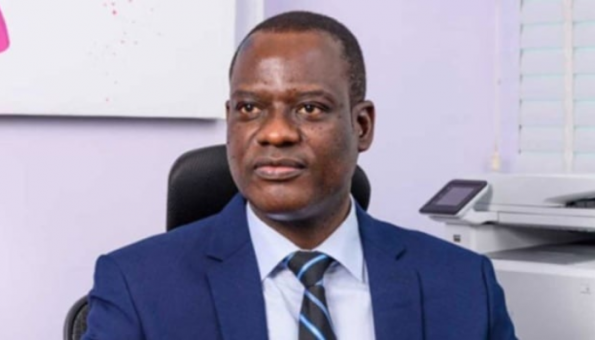
Speaking after the Federal Executive Council meeting in Abuja, Finance Minister Taiwo Oyedele said the proposed financing package covered 46 projects across 11 sectors, with an average implementation period of five years. He stressed that the plan did not mean the government would immediately borrow or disburse the entire amount.
Transportation accounts for about $10.6 billion of the proposed financing, including major road and rail projects such as the Lagos-Calabar Coastal Highway, Sokoto-Badagry Highway and Kano-Kaduna rail corridor. Other sectors expected to benefit include power, healthcare, agriculture, education, security, digital infrastructure and social protection.
Oyedele said approximately $7.9 billion would come from multilateral and bilateral development partners, including a proposed $5 billion World Bank component with an average interest rate of about 2.1 per cent. He argued that concessional financing would reduce borrowing costs and support projects with long-term economic benefits.
The minister also clarified that about $4.8 billion of the proposed package was intended for state governments and public agencies, rather than the Federal Government alone. He maintained that the investments could improve transportation, lower logistics costs, strengthen electricity supply and stimulate economic activity.
However, the proposal has attracted criticism from political figures concerned about Nigeria’s debt burden and the risks of taking on additional foreign obligations. Critics have called for transparency over project selection, repayment terms and safeguards to ensure the funds are used effectively.
The borrowing plan requires approval by the National Assembly. Its eventual impact will depend on the financing terms, project delivery and whether the resulting infrastructure generates sufficient economic and social returns to justify the cost.