


GOVERNMENT & POLICY
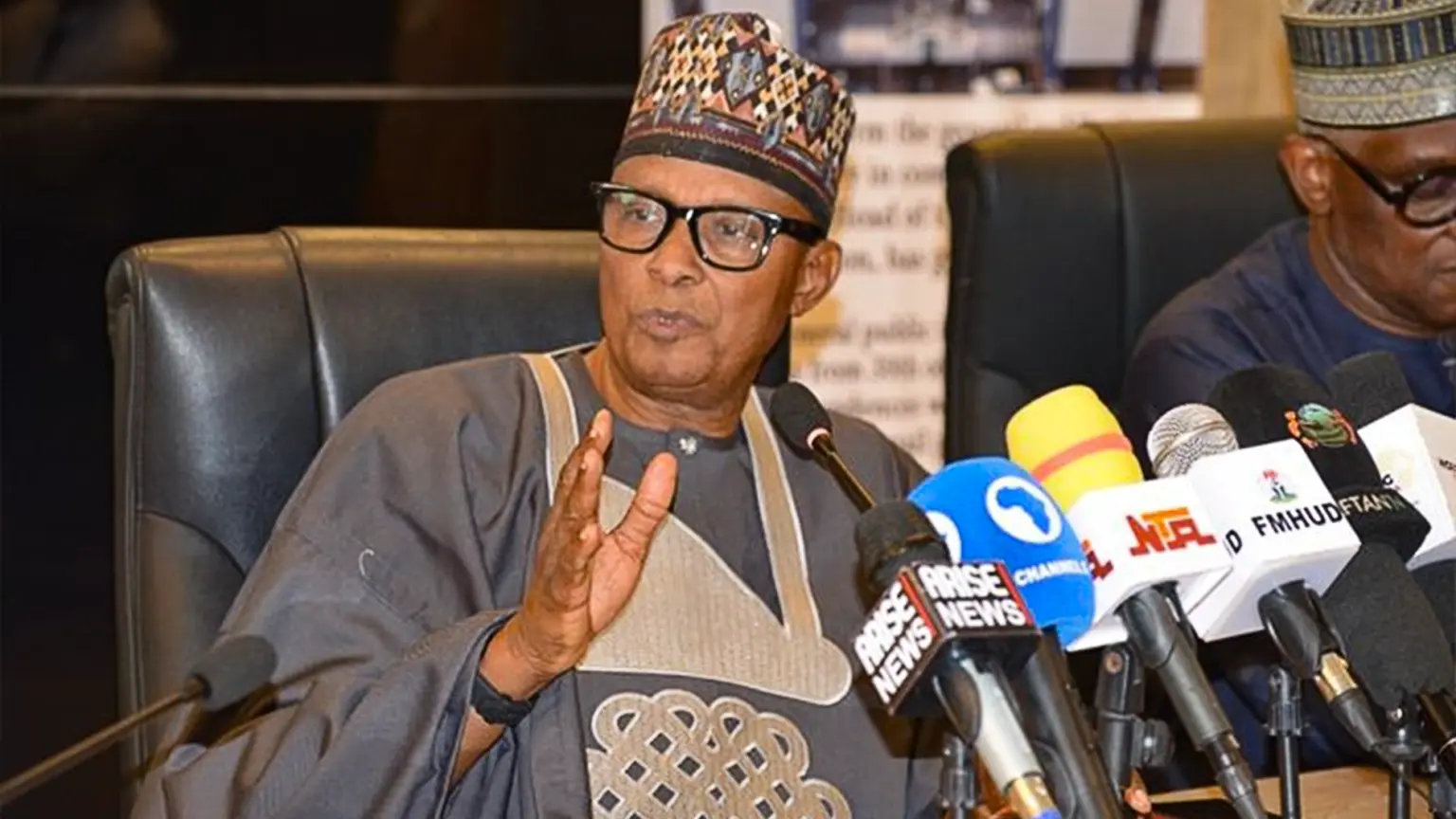
FG COMMITS TO REGIONAL DEVELOPMENT TO PROMOTE SUSTAINABLE CITIES’ GROWTH
The Federal Government has reaffirmed its commitment to regional development as part of efforts to promote sustainable urban growth, improve infrastructure and address the challenges associated with Nigeria’s rapidly expanding cities.
The commitment highlights the importance of coordinated planning in managing urbanisation, particularly as population growth increases demand for housing, transportation, healthcare, education, water supply and other essential services.
Across Nigeria, many cities are experiencing pressure on existing infrastructure as more people move to urban centres in search of employment, education and business opportunities. Without effective planning, rapid urban growth can contribute to overcrowding, traffic congestion, inadequate housing, environmental degradation and the expansion of informal settlements.
Regional development offers an approach to distributing economic opportunities and infrastructure more evenly across different locations. By supporting growth beyond major metropolitan centres, the government could encourage investment in smaller cities and emerging urban areas, potentially reducing excessive pressure on established cities.
The approach also requires collaboration between federal, state and local governments to ensure that development plans are aligned and that infrastructure investments respond to local needs.
Sustainable urban development involves more than constructing roads and buildings. It also requires efficient public transportation, affordable housing, reliable utilities, effective waste management and the protection of green spaces. These measures can improve residents’ quality of life while reducing the environmental impact of urban expansion.
Investment in regional economic centres could also create jobs closer to where people live, strengthen local businesses and improve access to public services. However, achieving these outcomes will depend on consistent funding, transparent project implementation and effective land-use planning.
The government’s commitment comes amid broader efforts to address infrastructure gaps and improve living conditions in Nigeria’s growing urban areas.
Ultimately, sustainable cities will require long-term planning, stronger institutions and investments that balance economic growth with environmental protection and social inclusion. Effective regional development could help create more liveable communities while supporting Nigeria’s wider economic development goals.
See another version