


BUSINESS
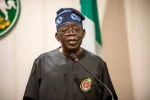
FG BEGINS DISTRIBUTION OF ELECTRIC VEHICLES TO CIVIL SERVANTS
The Federal Government has begun distributing the first batch of electric vehicles promised to civil servants as part of efforts to promote cleaner transportation and reduce the cost of mobility.
The Director-General of the National Automotive Design and Development Council, Joseph Osanipin, disclosed this after meeting with President Bola Tinubu at the State House in Abuja.
Osanipin said the delivery marked the beginning of a wider government programme aimed at increasing access to electric vehicles and developing the infrastructure required to support alternative-energy transportation in Nigeria.
He said the government had also deployed electric vehicle infrastructure in about 16 universities across the country as part of efforts to build an electric vehicle ecosystem.
According to him, the transition to electric vehicles and other alternative fuels would require significant investment in supporting infrastructure and could not be achieved through policy alone.
He noted that the government’s Compressed Natural Gas initiative was also expanding, with the number of licensed gas retail companies increasing from about four to 81.
Osanipin said increased availability of CNG was already helping some motorists reduce transportation costs, citing an example of a traveller whose fuel expenditure reportedly fell from more than ₦200,000 to about ₦40,000 after switching to CNG and refuelling in Kano.
However, he acknowledged concerns that some commercial transport operators benefiting from cheaper CNG had yet to pass the savings on to commuters through lower fares.
He said the next phase of the government’s intervention would focus on ensuring that savings from alternative fuels translate into reduced transportation costs for Nigerians.
The NADDC boss also said ongoing investments and proposed legislation for the automotive sector were intended to strengthen regulation, attract investment and accelerate the development of Nigeria’s automotive industry.
The electric vehicle rollout represents another step in the Federal Government’s broader effort to diversify Nigeria’s transportation energy sources and encourage cleaner mobility.