


BUSINESS
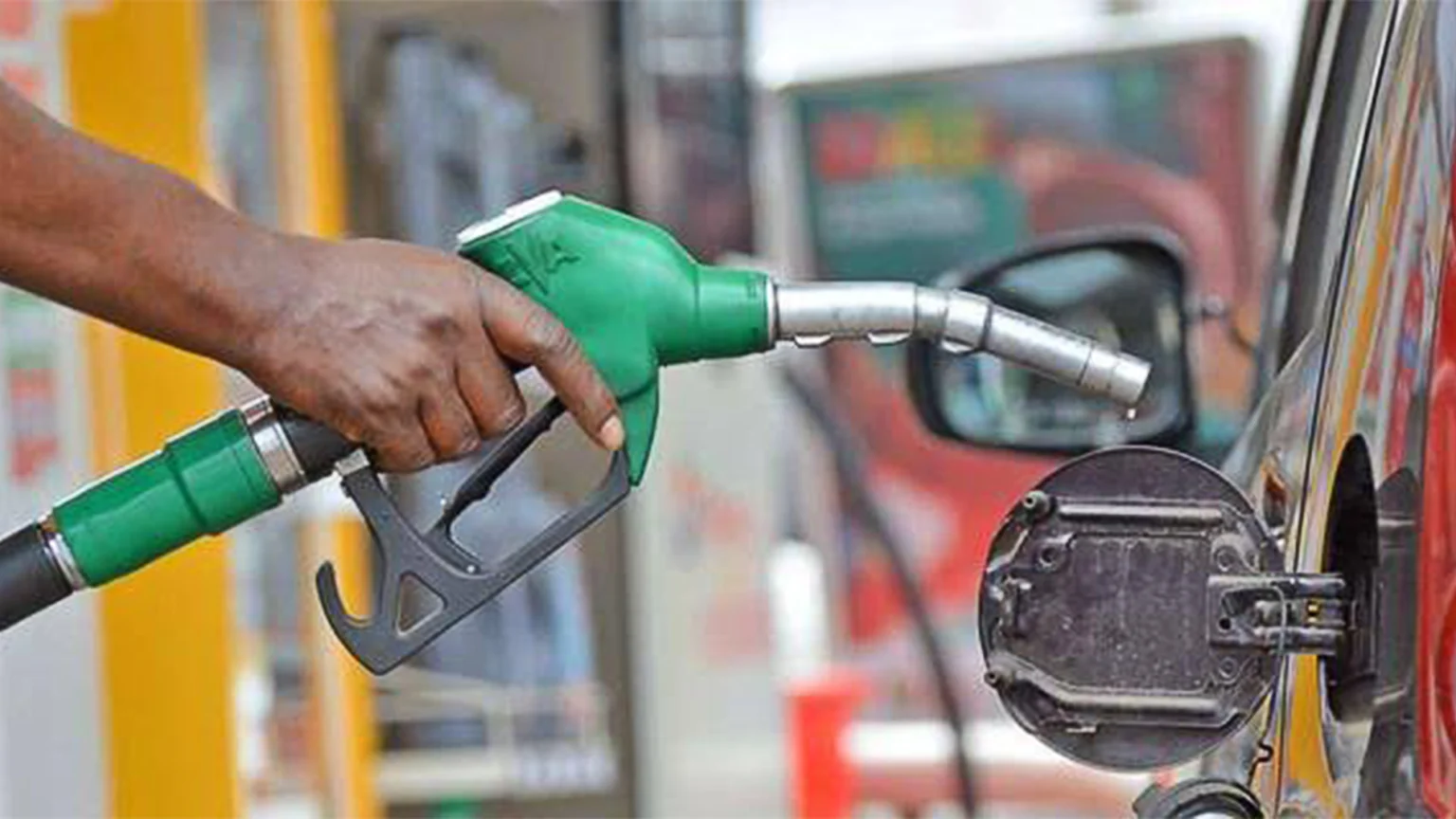
FEDERAL GOVERNMENT’S 30-DAY PETROL DISCOUNT SPARKS OPPOSITION BACKLASH
Political parties and prominent leaders criticize the federal administration's temporary fuel intervention, dismissing the measure as an inadequate electoral gimmick lacking sustainable economic relief
The Federal Government's newly announced thirty-day petrol price discount initiative has drawn swift and severe backlash from opposition political figures and civil society groups, who have dismissed the policy as a temporary palliative designed for political expediency.
The controversy follows the administration's unveiling of a temporary relief framework featuring a price ceiling and discounted margins at state-backed retail outlets, aimed at prioritizing public transport operators and easing surging commuting costs.
Reacting to the development, former Vice-President Atiku Abubakar criticized the initiative as a short-sighted measure that fails to address the fundamental economic hardships inflicted by prolonged fuel subsidy removals.
Questioning the longevity of the program, opposition leaders queried what structural adjustments would take effect on the thirty-first day, arguing that citizens would inevitably return to crushing pump prices and escalating inflation once the brief window closes.
Critics also accused the ruling administration of political desperation as the electoral cycle approaches, asserting that previous denials of the viability of price capping or direct pump interventions have been conveniently discarded to win public favor.
Further condemnation came from political coalitions and pressure groups, who characterized the limited relief as tokenism that ignores broader economic woes, including widespread business closures, escalating food costs, and steep transportation tariffs.
Economic analysts and trade stakeholders have similarly raised logistical concerns regarding the capacity of designated retail networks to handle anticipated demand surges, warning that restricted availability could trigger severe queue congestion and panic buying nationwide.
Government representatives, however, have defended the intervention as a proactive step to inject stability into the downstream sector, maintaining that ongoing administrative reviews will balance operational margins while safeguarding consumer welfare.