


ENTERTAINMENT
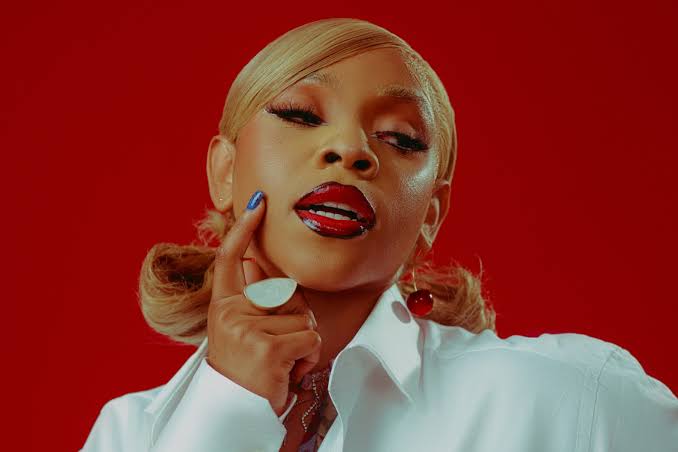
FAVE OPENS UP ON BARRIERS FACING WOMEN IN NIGERIA’S MUSIC INDUSTRY
Nigerian singer Fave has spoken about the challenges women continue to encounter in the country’s music industry, saying female artistes often face pressures and obstacles that their male counterparts may not experience. The singer, whose real name is Chiamaka Ugochukwu, discussed the issue while reflecting on her experience in the Nigerian music scene.
Fave said the industry can be particularly demanding for women because of the expectations placed on their appearance, behaviour and personal lives. She noted that female artistes are frequently judged beyond their musical abilities, with public attention often extending to their looks, relationships and other aspects of their private lives.
The singer also highlighted the pressure on female musicians to maintain a particular image while building successful careers. According to her, women in the industry have to navigate expectations surrounding how they dress, present themselves and interact with fans and other industry stakeholders, creating additional challenges as they seek recognition for their work.
Fave has established herself as one of the notable voices in Nigeria’s contemporary music scene, gaining wider recognition through songs including “Baby Riddim” and collaborations with other Nigerian artistes. Her comments add to ongoing conversations about the experiences of women working in the country’s entertainment industry and the need for greater attention to issues affecting female artistes.
The singer’s remarks come as more Nigerian women continue to gain prominence across Afrobeats and other music genres. While female artistes have achieved significant international recognition, discussions around workplace expectations, industry opportunities, personal safety and the treatment of women remain part of broader conversations about the development of Nigeria’s music industry.