


POLITICS
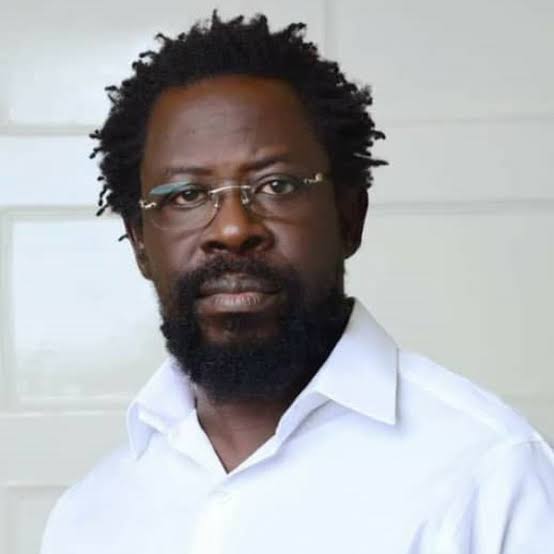
FAROTIMI SAYS VDM HAS BECOME NIGERIANS’ NEW VOICE FOR JUSTICE
Human rights lawyer and activist Dele Farotimi has argued that social media activist VeryDarkMan (VDM) has effectively taken over a role that was traditionally associated with the Nigerian judiciary as the “hope of the common man.”
Farotimi made the remark while reflecting on the state of justice and accountability in Nigeria, expressing concern over what he described as the declining confidence Nigerians have in the country’s judicial system.
According to him, the growing influence of VDM demonstrates the extent to which ordinary Nigerians are increasingly turning to social media personalities to seek attention for grievances they believe would otherwise remain unresolved.
Farotimi suggested that VDM’s ability to use social media to draw public attention to alleged injustices has made him an important figure for people who feel ignored by conventional institutions.
He contrasted this growing public reliance on social media activism with the traditional perception of the judiciary as the last hope of citizens seeking justice.
The lawyer’s comments come amid wider concerns about public confidence in Nigeria’s justice system, including complaints about delays in court proceedings, the cost of litigation and difficulties faced by ordinary citizens when attempting to pursue legal remedies.
Farotimi maintained that the situation should prompt serious reflection among legal practitioners and judicial authorities about the state of justice delivery in the country.
He argued that when citizens begin to depend more heavily on social media personalities than formal institutions to draw attention to their problems, it could indicate a deeper crisis of confidence in those institutions.
The emergence of VeryDarkMan as a prominent online activist has generated significant public attention, particularly through his campaigns involving alleged corruption, consumer complaints, social issues and disputes involving public figures and organisations.
His approach has often involved using social media platforms to publicise complaints and pressure relevant authorities or individuals to respond.
While his supporters view the approach as a powerful form of grassroots advocacy, critics have questioned some of his methods and the consequences of resolving disputes through public pressure rather than established legal channels.
Farotimi's comments therefore highlight the wider debate over the changing nature of activism and accountability in Nigeria.
The human rights lawyer's position suggests that the popularity of figures such as VDM should not simply be viewed as a social media phenomenon but also as a reflection of citizens' frustrations with established institutions.
He called for renewed efforts to restore public confidence in the judiciary and ensure that Nigerians can obtain justice through transparent, accessible and effective legal processes.
The development has also renewed discussions about the responsibility of lawyers, judges and other justice-sector institutions to ensure that the legal system remains accessible to ordinary citizens.
Farotimi's remarks ultimately underline the need for stronger institutions capable of responding to citizens' complaints without requiring individuals to resort to social media campaigns before their concerns receive attention.