


POLITICS
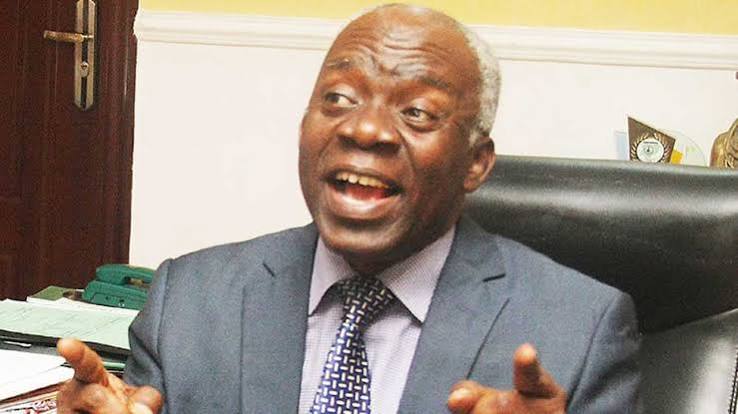
FALANA URGES EFCC TO TRACE N33.75BN CASH TRANSFER FUNDS, PROSECUTE THOSE RESPONSIBLE
Human rights lawyer and Senior Advocate of Nigeria, Femi Falana, has called on the Economic and Financial Crimes Commission to investigate the alleged failure to account for N33.75bn earmarked for cash transfers to poor and vulnerable Nigerians. Falana also urged the anti-graft agency to work with the Auditor-General for the Federation to establish what happened to the funds and recover any money found to have been diverted.
The call followed findings contained in the Auditor-General’s 2024 Annual Report on Non-Compliance/Internal Control Weaknesses in Ministries, Departments and Agencies. The report stated that the Federal Government could not provide sufficient evidence showing that the N33.75bn in electronic transfers actually reached more than 3.29 million intended beneficiaries across 35 states in 2023.
According to the audit report, payment vouchers did not contain complete beneficiary details, while the Remita statement needed to reconcile those who received the funds with names on the National Social Register and National Beneficiary Register was not made available for examination. Auditors also said their attempts to obtain the relevant payment records were obstructed, raising concerns over possible payments to ineligible or fictitious beneficiaries.
Falana said the development was particularly troubling because the money was intended to support Nigerians facing poverty and economic hardship. He urged the EFCC to investigate the alleged diversion immediately and ensure that any public officials found culpable are arrested and prosecuted. He also called for greater transparency in the management of social intervention programmes.
The lawyer further referenced previous controversies surrounding Nigeria’s social investment programmes, including investigations involving former Humanitarian Affairs Minister Sadiya Umar Farouq and other officials. He advocated the creation of an independent mechanism involving credible civil society organisations to oversee the distribution of future poverty-reduction funds and ensure that assistance reaches genuine beneficiaries.