


PEOPLE & POLITICS
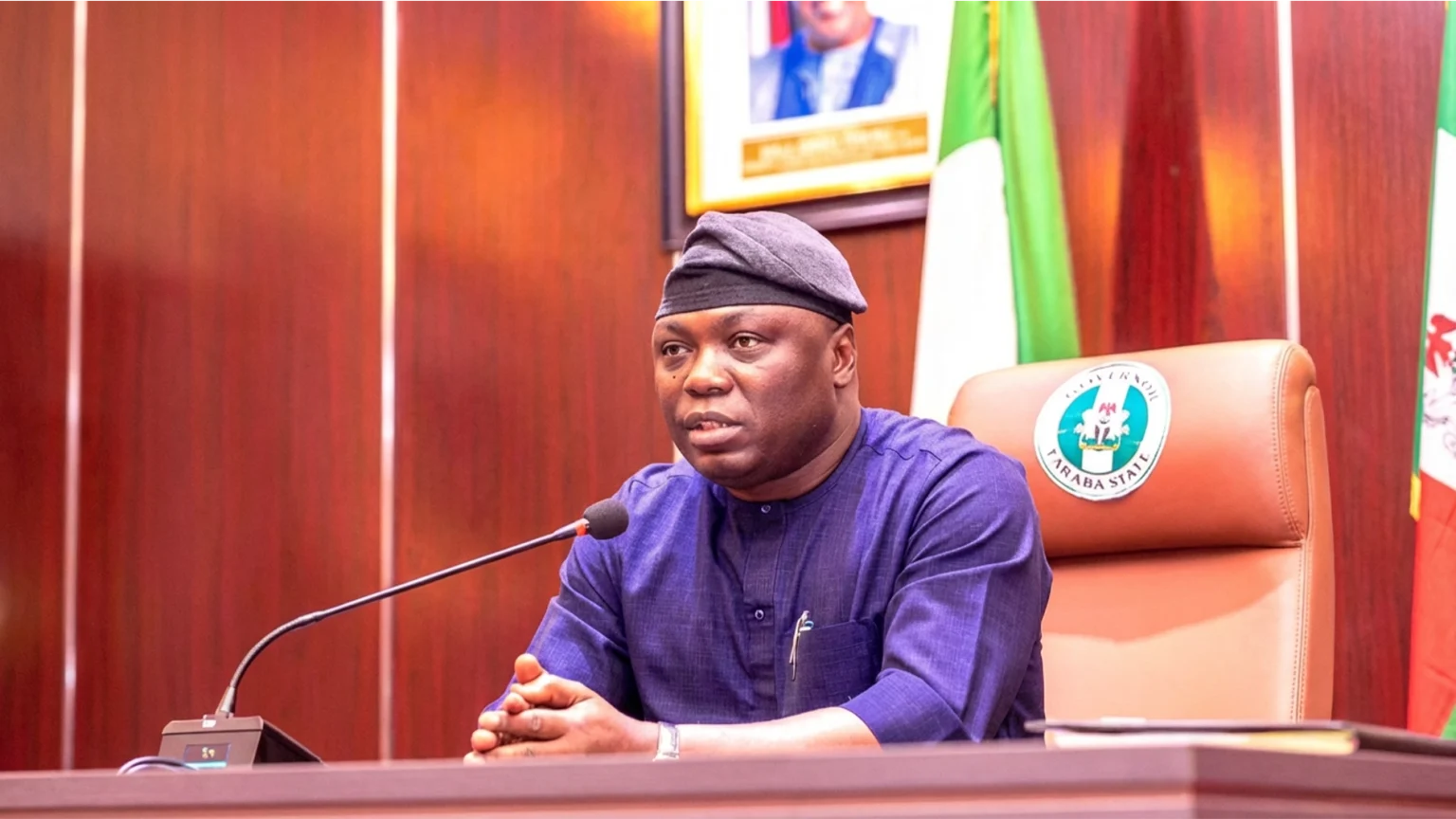
EXTORTION ALLEGATIONS THREATEN KEFAS’ MINING REFORMS IN TARABA
Allegations of extortion are raising concerns about mining reforms introduced under Taraba State Governor Agbu Kefas, putting the spotlight on how the state manages its mineral resources and protects mining operators.
The allegations could create fresh challenges for efforts to organise the mining sector, attract investment and ensure that the state benefits more from its natural resources.
Taraba State is endowed with mineral resources that could support economic growth, create jobs and provide new sources of income for local communities. However, turning these resources into lasting economic benefits requires a transparent regulatory system that allows legitimate businesses to operate without unnecessary financial pressure.
Mining reforms are generally intended to improve oversight, tackle illegal activities, strengthen revenue collection and ensure that mineral resources are properly managed. When implemented effectively, such measures can encourage responsible mining, protect the environment and help government authorities generate revenue for public services.
However, allegations of extortion can undermine these objectives. If miners are subjected to unofficial payments or demands for money, operating costs may increase, businesses may become reluctant to invest and public confidence in regulatory institutions may weaken.
For small-scale miners, in particular, unexpected charges can make it difficult to sustain operations. Such challenges may also affect workers and communities that depend on mining-related activities for their livelihoods.
The allegations therefore raise questions about whether the reforms are being implemented as intended and whether adequate safeguards exist to prevent abuse by individuals responsible for enforcing mining regulations.
For the Taraba State Government, addressing such concerns would be important in maintaining confidence in the sector. Clear guidelines on legitimate fees, transparent payment procedures and accessible complaint channels could help distinguish lawful revenue collection from alleged misconduct.
Independent investigations would also be necessary to establish the facts, determine whether any wrongdoing occurred and ensure that those found responsible face appropriate consequences.
It is important to note that allegations do not automatically establish guilt. Those implicated should have an opportunity to respond, while any investigation should be conducted fairly and based on evidence.
Ultimately, the success of Kefas’ mining reforms will depend not only on the policies introduced but also on how consistently, transparently and fairly they are enforced.
If Taraba can build a mining system that protects legitimate operators, discourages illegal practices and ensures that public revenue is properly accounted for, the sector could become a stronger contributor to the