


EDUCATION
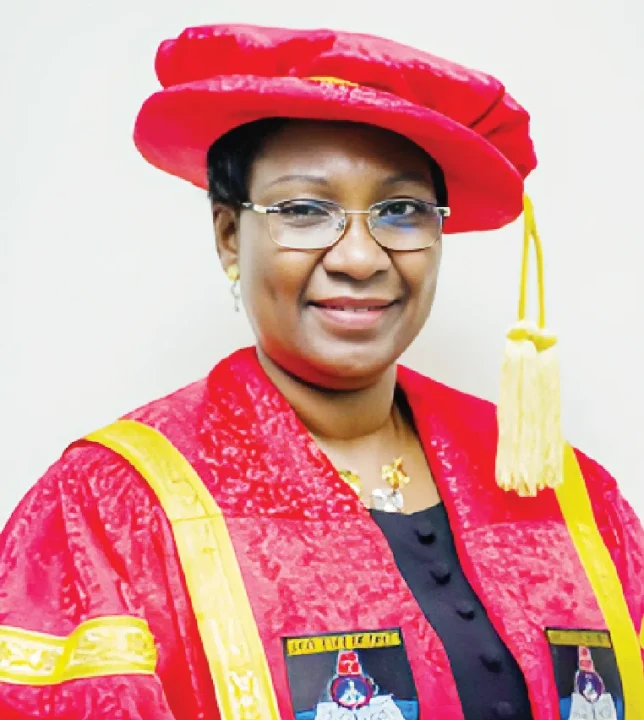
EX-LASU VC SAYS PUBLIC UNIVERSITIES NEED HIGHER FEES TO BECOME SELF-SUSTAINING
Former Vice-Chancellor of Lagos State University, Prof. Ibiyemi Olatunji-Bello, has said public universities in Nigeria would need to charge at least ₦1 million per student annually if they are to achieve financial independence and reduce their reliance on government funding. Olatunji-Bello, who recently completed her five-year tenure as LASU’s ninth Vice-Chancellor, made the comment while reflecting on the university’s finances, achievements, challenges and future needs. She argued that the cost of running universities has increased significantly, making the current level of fees insufficient to cover their operational expenses.
Olatunji-Bello explained that LASU’s internally generated revenue increased from about ₦3bn when she assumed office in 2021 to ₦13bn during her tenure. She attributed the growth to the introduction of new programmes, digital innovations, postgraduate courses, consultancy activities, short-term courses and other revenue-generating ventures. Despite the increase, she said the university was still unable to achieve financial self-sustainability because its monthly payroll had risen above ₦1bn, while electricity alone cost about ₦140m every month.
The former Vice-Chancellor said LASU also had to provide funding for cleaning, security, diesel, infrastructure maintenance, academic activities and other routine expenses. She disclosed that the institution still needed to augment its salary payments by about ₦240m monthly, despite its increased internally generated revenue. Based on these financial pressures, she argued that public universities seeking complete financial independence would need to charge fees of not less than ₦1m per student, adding that quality education comes with significant costs.
Olatunji-Bello also discussed some of the achievements recorded during her five-year tenure, including the completion of projects started by her predecessor, improvements in drainage and sanitation, accreditation of academic programmes and expansion of postgraduate offerings. She said LASU introduced digital processes covering admission, screening and certificate collection, while an instant certificate verification system was also established. She further disclosed that the university secured a ₦3bn TETFund Centre of Excellence and that seven staff members obtained more than ₦29m in grants from the Lagos State Research and Innovation Council between 2022 and 2025.
On student welfare and accommodation, Olatunji-Bello said LASU currently has about 85,000 students across postgraduate and part-time programmes, although only about 12,000 students are on campus at any given time. She said the university currently accommodates roughly 8,000 students through its own hostels and facilities developed through public-private partnerships. She also attributed the avoidance of major industrial actions during her tenure to regular engagement with the university unions and an open-door approach to addressing staff concerns. Olatunji-Bello, who left office on September 19, said she hoped the Lagos State Government would complete outstanding infrastructure projects, including the university’s Innovation Hub, to further support LASU’s development.