


NEWS XTRA
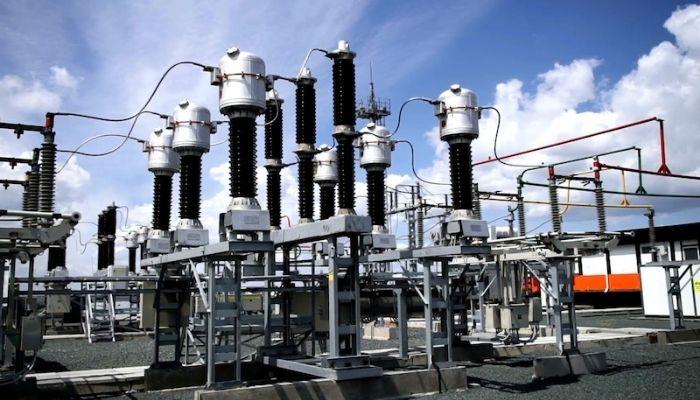
ENDING NIGERIA’S ENDLESS ELECTRICITY CHALLENGES
Nigeria’s electricity crisis has become a major obstacle to economic growth, job creation and improved living standards, with households and businesses continuing to struggle with unreliable power supply.
Despite having an installed electricity generation capacity of more than 13,000 megawatts, the country typically generates only about 3,500 to 4,500MW for a population of more than 200 million people.
The power sector was privatised in 2013 with expectations that private investment and commercial management would improve electricity supply. However, more than a decade later, many Nigerians still experience prolonged outages while businesses rely heavily on diesel and petrol generators.
The consequences extend across the economy. Manufacturers face rising production costs, small businesses lose revenue, hospitals struggle with unreliable electricity, and students are often forced to study without power.
The persistent crisis affects every stage of the electricity value chain, from gas supply and generation to transmission and distribution.
Gas-fired power plants continue to face challenges including inadequate fuel supplies, pipeline vandalism and weak commercial arrangements. Generation companies also contend with ageing facilities, stranded capacity and unpaid debts.
Nigeria’s heavy reliance on thermal generation further exposes the electricity system to problems within the gas supply chain, highlighting the need to diversify the country’s energy sources.
The transmission network remains another major weakness. Ageing infrastructure, vandalised towers, inadequate reserves and regional imbalances make the national grid vulnerable to disruptions.
Modern control systems, functional protection equipment and full implementation of Supervisory Control and Data Acquisition technology are also needed to improve the management of the transmission network.
Distribution companies face similar challenges, including technical and commercial losses estimated at between 30 and 40 per cent.
Millions of electricity consumers remain without meters and are billed through estimated charges, contributing to disputes and weakening payment discipline.
Electricity theft, vandalism, inaccurate customer records and insufficient investment have also continued to affect the efficiency of the distribution system.
The government needs to approach electricity reform as a measurable national programme, with clear deadlines, publicly available performance data and accountability for both public institutions and private operators.
Gas supply to power plants must be strengthened by improving the domestic supply obligation for gas-to-power and providing credible payment guarantees for suppliers.
Security agencies also need to tackle the vandalism of pipelines, transmission towers and electricity cables, with investigations and prosecutions where offences are established.
Idle and gas-constrained power plants should be restored, while Nigeria should expand its energy mix through gas, hydro and solar generation to reduce excessive dependence on a single source.
The debts accumulated across the electricity sector also require a transparent resolution. Payment assurance mechanisms and appropriate recovery instruments could help settle verified obligations and restore confidence among participants.
Transmission investment should focus on the weakest parts of the national grid, while increasing spinning reserves, modernising protection systems and accelerating SCADA implementation.
The expansion of the network should also address regional imbalances and create capacity to accommodate additional renewable energy generation.
At the distribution level, reform should focus on improving customer service. Meter deployment needs to be accelerated, customer databases updated and feeder-level commercial mapping completed.
Measures to tackle electricity theft should also be strengthened while ensuring that consumers’ rights are protected. Rural communities should receive greater access through grid extensions and decentralised renewable energy systems.
Nigeria has produced numerous reports, policies and committees on the electricity crisis. The major challenge remains consistent implementation and accountability.
The government needs to establish measurable targets for gas supply, generation recovery, transmission improvements, metering and reduction of electricity losses, while holding operators accountable for repeated failures.
A reliable electricity supply remains critical to economic productivity, industrial growth and job creation. Addressing the sector’s longstanding challenges will require sustained investment, effective regulation and disciplined implementation rather than another cycle of promises.