


SOCIETYEXTRA
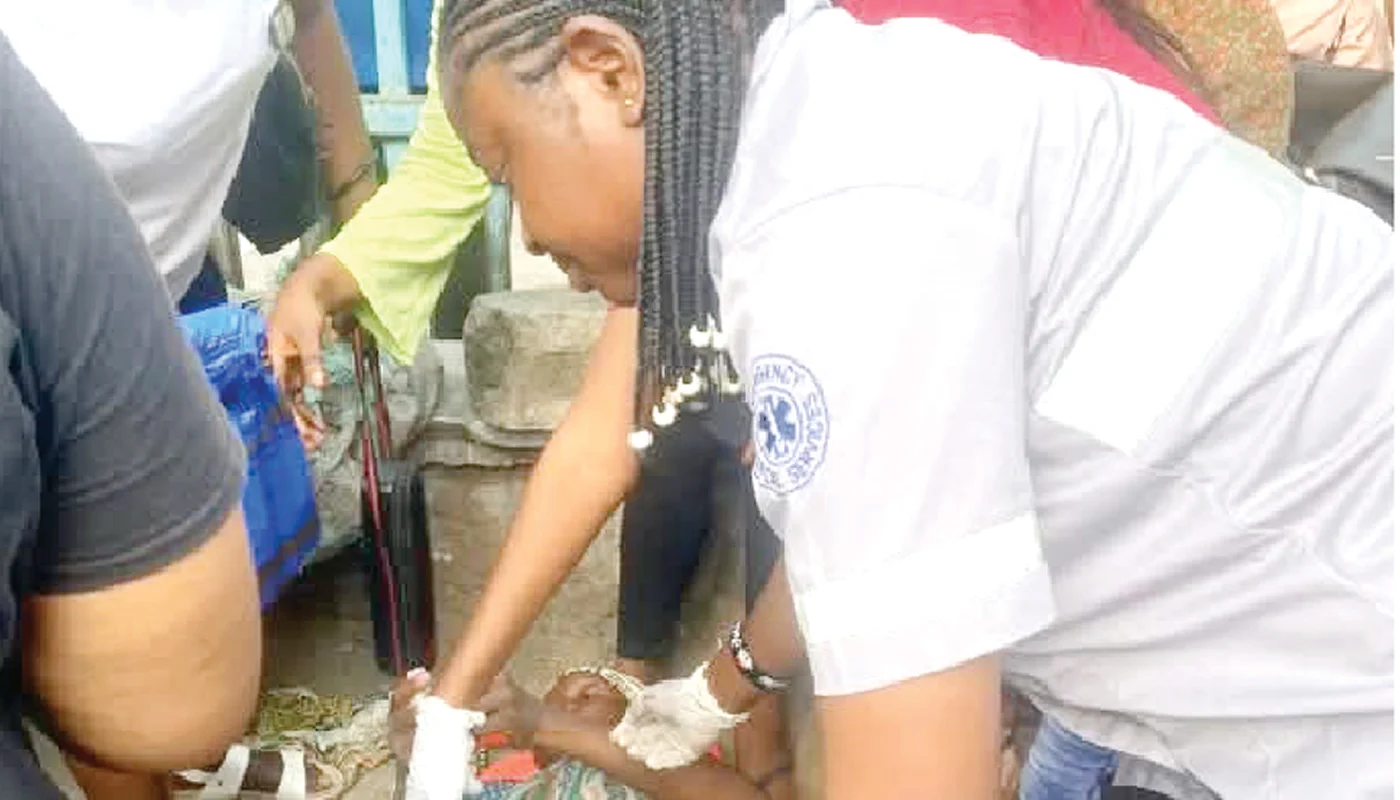
EMERGENCY DELAYS FORCE PASSERSBY TO ACT AS BIRTH ATTENDANTS
On Friday, December 6, Lagos streets bustled with their usual weekend chaos. But along the Ojota-Maryland route, a dramatic scene stopped passersby in their tracks.
Emmanuel Enya, a motorcyclist from Ilorin, Kwara State, was caught in traffic when he noticed a heavily pregnant woman in obvious distress. She repeatedly mentioned “Ikorodu General Hospital,” but traffic and distance made reaching it impossible.
Despite warnings from onlookers, Enya stepped in. Calls for taxis and help failed; three ambulances passed without stopping. With no medical support available, Enya monitored the woman, assisted her delivery, and discovered the newborn’s umbilical cord was wrapped around its neck.
“The baby was lifeless at first,” Enya recalled. “I performed CPR using my small finger and chest compressions. On the third attempt, the baby opened his eyes and smiled.”
Eventually, the mother and child were transported to a hospital for proper care. The incident highlights not only individual heroism but also the gaps in emergency response, where ordinary citizens are forced to step in.
This is not an isolated case. Unplanned out-of-hospital deliveries remain common in Nigeria, particularly in urban areas where traffic, distance, and delays can turn minutes into life-threatening hours. Experts emphasize registering for antenatal care close to home, avoiding travel near due dates, and immediately alerting emergency services if labour begins unexpectedly.
Medical professionals warn that while bystander intervention can save lives, skilled assistance and timely hospital care remain critical. In moments of sudden labour, the difference between tragedy and survival often hinges on both quick thinking and accessible medical support.