


POLITICS
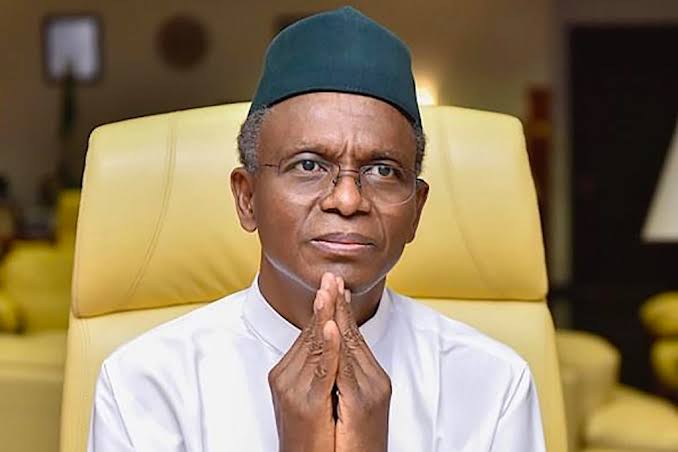
EL-RUFAI-MUSA DISPUTE, FOREIGN TRAVEL RULES, FAKE GOODS LEAD NIGERIA’S MORNING HEADLINES
Several major developments are dominating Nigeria’s news cycle, with former Kaduna State Governor Nasir El-Rufai’s N10bn legal demand against Defence Minister Christopher Musa among the biggest stories. El-Rufai is seeking compensation and a public apology over comments he described as defamatory. The dispute has also prompted the Jama’atu Nasril Islam and Christian Association of Nigeria in Southern Kaduna to appeal for restraint, dialogue and peaceful handling of the matter amid concerns that the controversy could heighten tensions in the region.
The Federal Government has meanwhile introduced tighter controls over official foreign travel by senior government officials. Ministers, directors-general and other political appointees are now required to obtain prior approval from the Office of the Secretary to the Government of the Federation before embarking on official trips abroad. The Ministry of Foreign Affairs is also expected to verify evidence of such approval before processing the relevant travel documents, as the government continues efforts to strengthen oversight and accountability within the public service.
Another major development centres on the circulation of counterfeit and substandard products in the country. The National Agency for Food and Drug Administration and Control has raised concerns over Chinese nationals allegedly operating counterfeit production facilities and distribution networks in Nigeria. NAFDAC said some logistics companies connected to the activities had already been shut down, while suspects are being prosecuted as authorities intensify efforts to protect consumers and curb the spread of fake products.
The student loan programme operated by the Nigerian Education Loan Fund has also come under scrutiny. A higher education policy think tank warned that about N355.87bn already disbursed to roughly 850,000 beneficiaries could face repayment difficulties if the government does not strengthen its recovery framework. According to the report, authorities have about 18 months before the first beneficiaries become subject to repayment enforcement, making the development of an effective collection system increasingly important.
In Sokoto, tensions rose over the continued detention of Islamic cleric Dahiru Mai Barewa. Youths protesting his continued remand reportedly blocked roads and clashed with security personnel while demanding his release. The cleric had been ordered back into custody by a court over alleged death threats. The incident adds to a series of developments attracting national attention as authorities and stakeholders continue to manage security, political and social tensions across the country.