


HEALTH
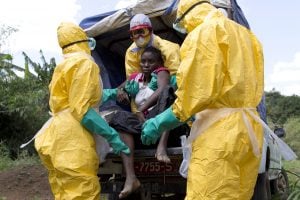
EBOLA: HOW NIGERIANS CAN PREVENT INFECTION
Ebola is a serious and potentially deadly disease, but Nigerians can reduce the risk of infection by practising good hygiene, avoiding contact with infected bodily fluids and following public health advice.
The disease is caused by the Ebola virus and can spread through direct contact with the blood, vomit, saliva, sweat, urine, faeces or other bodily fluids of an infected person who is showing symptoms. It can also spread through contaminated objects and contact with the body of someone who has died from the disease.
Ebola does not spread through the air in the same way as common respiratory infections such as influenza.
One of the most important ways to prevent Ebola is to wash your hands regularly with soap and running water. Where these are unavailable, an alcohol-based hand sanitiser can be used. Nigerians should also avoid touching the blood or bodily fluids of anyone who is suspected of having the disease.
People should avoid handling dead wild animals, particularly bats and monkeys, and should not eat raw or improperly cooked bushmeat. Fruits and vegetables should be washed properly before consumption, while meat and other animal products should be thoroughly cooked.
Ebola symptoms may include fever, severe headache, muscle pain, weakness, vomiting, diarrhoea and abdominal pain. Symptoms can appear between two and 21 days after exposure. Anyone who develops these symptoms after possible contact with an infected person or travel to an affected area should seek medical attention promptly and inform health workers about their exposure. They should avoid close contact with others while awaiting medical guidance.
Nigeria has reported an Ebola case on October 21, 2026, according to reports, making public awareness and vigilance particularly important. However, Nigerians should remain calm and avoid spreading unverified information or treating people from affected areas unfairly.
Healthcare workers and caregivers must follow strict infection-prevention procedures when attending to suspected cases. Families should also avoid handling the bodies of people who may have died from Ebola, as the virus can still spread after death. Safe burial procedures should be handled by trained personnel.
Ebola prevention requires cooperation from individuals, communities and health authorities. Nigerians can help protect themselves and others by practising good hygiene, recognising possible symptoms early and following official public health advice.
For guidance or to report a suspected case, contact the Nigeria Centre for Disease Control and Prevention (NCDC) through its toll-free helpline on 6232.