


BUSINESS
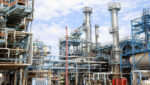
DOMESTIC REFINERIES SUPPLY 75% OF NIGERIA’S PETROL
Domestic refineries supplied about 75 per cent of Nigeria’s petrol between January and July 2026, marking a major shift from the country’s long-standing dependence on imported fuel.
Data from the Nigerian Midstream and Downstream Petroleum Regulatory Authority showed that local refineries supplied approximately 7.41 billion litres of Premium Motor Spirit during the seven-month period, compared with about 4.27 billion litres in the corresponding period of 2025.
The figure represents a 73.5 per cent increase in domestic refinery supply within one year.
In contrast, petrol imports fell by about 62.3 per cent, from 6.58 billion litres in January-July 2025 to approximately 2.48 billion litres during the same period in 2026.
Overall, Nigeria supplied about 9.89 billion litres of petrol during the period, with locally refined products accounting for 74.9 per cent and imports contributing 25.1 per cent.
The development represents a significant reversal from 2025, when imported petrol accounted for about 60.6 per cent of total supply while domestic refineries contributed 39.4 per cent.
The increase has been driven largely by the expansion of operations at the Dangote Petroleum Refinery, which has become the dominant contributor to Nigeria’s domestic petrol supply.
However, local production has remained volatile. Domestic refinery supply reached a seven-month high of 41.5 million litres per day in May before falling to 32.5 million litres in June and 25.8 million litres in July.
The July figure represented a 20.6 per cent decline from June and was the lowest domestic supply level recorded in 2026.
The decline in local output was partly offset by higher imports, which rose to about 19.7 million litres per day in July.
Despite the increase in domestic refining capacity, the figures show that imported petrol remains important in filling supply gaps when local refinery output declines.
Industry stakeholders have continued to call for policies that will strengthen domestic refining, improve access to crude feedstock and reduce dependence on imported petroleum products.
The shift towards local refining is expected to reduce pressure on foreign exchange, strengthen energy security and retain more value within Nigeria’s petroleum value chain.
However, analysts say maintaining stable domestic production will be critical if Nigeria is to sustain the progress made in reducing fuel import dependence.