


MILITARY & SECURITY
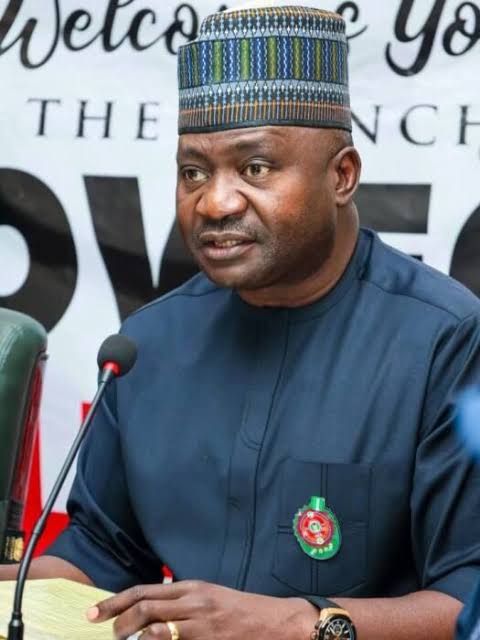
DEFENCE MINISTER EXPLAINS HOW TROOPS RESCUE KIDNAP VICTIMS WITHOUT ENGAGING TERRORISTS
The Minister of Defence, Gen. Christopher Musa (retd.), has explained that Nigerian security forces can sometimes free abducted victims without killing or arresting the terrorists holding them by using intelligence-led manoeuvres to isolate the criminals and force them to abandon their captives.
Musa gave the explanation amid growing public interest in recent military operations where kidnapped Nigerians were rescued without the security forces engaging their captors in direct combat. He said the approach is particularly useful when troops can identify the location of the terrorists and carefully restrict their movements without putting the lives of the hostages at unnecessary risk.
Speaking during an appearance on Channels Television’s Politics Today, the minister said one of the key elements of the strategy is to block the escape routes available to the terrorists. Once their movement is restricted, security forces can also disrupt access to essential supplies such as food, water and fuel.
According to Musa, terrorists may decide to flee once they realise that security forces have located their position or are closing in on them. In such situations, the criminals can abandon the people they are holding as they attempt to escape, giving troops an opportunity to recover the victims without a prolonged firefight.
The minister explained that aerial surveillance and other military manoeuvres can also play a role in creating pressure on the terrorists. He noted that the presence or approach of a drone, for example, can cause armed groups to scatter, particularly when they believe that security forces are preparing to strike their position.
Musa stressed that the objective is not necessarily to engage terrorists in every encounter, particularly when doing so could endanger abducted civilians. Instead, he said troops can use intelligence, surveillance, tactical positioning and the restriction of supplies to weaken the criminals' ability to maintain their operations.
He also raised concerns about the support networks that enable terrorists and bandits to remain active. The minister said the continued movement of food, water, fuel and other supplies to criminal groups helps sustain their operations and makes it more difficult for security forces to neutralise them.
Musa further disclosed that ransom payments can sometimes provide security agencies with opportunities to trace criminal networks and financial transactions. He said the Central Bank of Nigeria was working to track funds connected with criminal activities, adding that financial intelligence could help security agencies identify where money linked to kidnappers and terrorists is moving.
The Defence Minister also appealed to state governors to reconsider the distribution of motorcycles as palliatives or constituency projects. He warned that some of the motorcycles provided to beneficiaries could eventually find their way into the hands of terrorists and bandits, giving them a faster means of moving through difficult terrain and escaping security operations.
Musa suggested that where motorcycles must be distributed as part of government assistance programmes, authorities should consider providing lower-capacity models that would be less useful to criminals seeking speed and mobility. He argued that unrestricted access to powerful motorcycles could unintentionally strengthen the operational capabilities of terrorist and bandit groups.
The minister's comments come as Nigerian security agencies continue to conduct operations against kidnapping, terrorism and banditry in different parts of the country. Recent rescue operations have renewed attention on the methods being used to recover victims while limiting casualties among both civilians and security personnel.
Musa's explanation suggests that military operations do not always depend on direct confrontation. Where intelligence allows troops to locate an abductors' hideout, security forces can combine surveillance, tactical manoeuvres and the disruption of supply routes to create conditions that may compel criminals to flee and leave their captives behind.
The Defence Ministry is expected to continue supporting intelligence-driven operations as security agencies seek to reduce the threat posed by terrorist and criminal groups while prioritising the safe recovery of abducted Nigerians.