


BREAKING NEWS
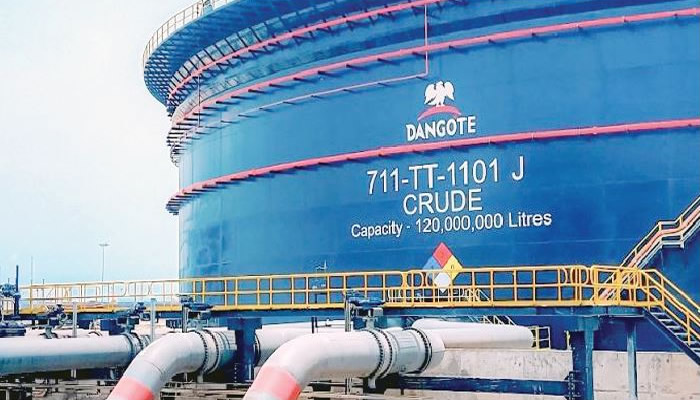
DANGOTE REFINERY RAISES PETROL PRICE TO ₦1,350
Nigeria’s fuel market is facing another shift as Dangote Refinery has increased the price of petrol to ₦1,350 per litre.
The latest adjustment is expected to have a ripple effect across the country, impacting transportation costs, food prices, and overall living expenses. For many Nigerians, fuel price changes are quickly felt in daily life, making this development a major concern.
Industry observers link the price hike to several factors, including global oil price fluctuations, exchange rate pressures, and supply chain costs. Even with local refining efforts, these external influences continue to shape domestic fuel pricing.
The move also raises fresh questions about affordability and economic stability in Nigeria. With inflation already affecting households, an increase in petrol prices could further strain budgets, especially for small businesses and commuters.
For the Dangote Refinery, the pricing decision reflects the realities of operating in a liberalized market where costs must be balanced with sustainability. However, for consumers, the focus remains on how to cope with rising expenses.
Experts say the situation highlights the need for broader energy reforms, including improved local production, stable policies, and alternative energy solutions that can reduce dependence on petrol.
As Nigerians adjust to the new price, attention will remain on how the market responds and whether further changes are on the horizon.