


BUSINESS
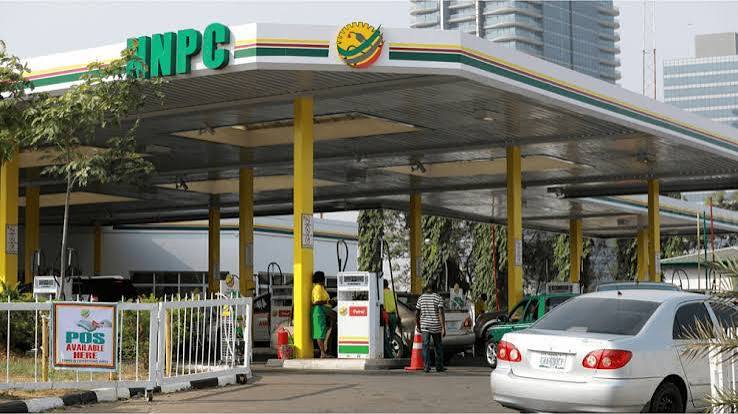
DANGOTE PRICE INCREASE SENDS ABUJA PETROL COSTS ABOVE ₦1,300 PER LITRE
Petrol prices have climbed sharply in Abuja and surrounding areas following another increase in the price of Premium Motor Spirit by the Dangote Petroleum Refinery.
The latest adjustment has pushed the price of petrol at several filling stations in the Federal Capital Territory to around ₦1,300 per litre, adding fresh pressure on motorists and consumers already dealing with elevated transportation and living costs.
The development followed an upward review of Dangote Refinery’s petrol price, which has continued to influence prices across the downstream petroleum market.
According to market checks, motorists in Abuja are now paying different prices depending on the filling station, with some outlets selling petrol at about ₦1,300 per litre.
The latest increase has also raised concerns about the possibility of further adjustments if the new refinery price continues to filter through the supply chain.
The development comes amid continuing volatility in the domestic petroleum market, where changes in refinery prices, distribution costs, transportation expenses and marketers’ margins can quickly affect pump prices.
Recent market data showed that petrol prices in Abuja and surrounding areas had already been fluctuating considerably, with different filling stations adjusting their rates at varying times.
The latest increase is expected to place additional financial pressure on commercial transport operators, businesses that depend heavily on petrol-powered generators and households that rely on fuel for transportation and other daily activities.
Higher petrol prices could also translate into increased transport fares as operators seek to offset rising fuel expenses.
The development has renewed attention on the impact of domestic refinery pricing on the Nigerian downstream petroleum sector, particularly since locally refined products now account for a significant portion of the country's fuel supply.
The Dangote Refinery has previously explained that changes in its petrol pricing are influenced by prevailing market conditions, including movements in crude oil prices and other operating costs.
For motorists, however, the immediate concern remains the rising cost of filling their vehicles, particularly as fuel expenses continue to affect household budgets and business operations.
The latest increase further highlights the volatility of petrol prices in Nigeria following the removal of the petrol subsidy and the transition towards market-based pricing.
Consumers and transport operators are now watching closely to see whether prices will stabilise at the new levels or undergo further adjustments in the coming days.
The continued increase in petrol costs is likely to remain a major economic concern, given the central role fuel plays in transportation, electricity generation, logistics and the wider cost of goods and services across the country.