


NEWS XTRA
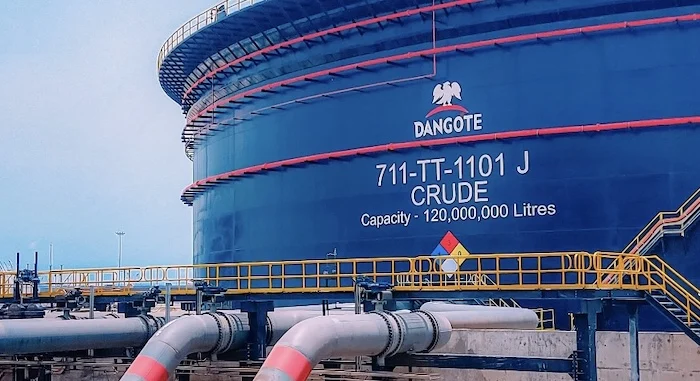
DANGOTE IMPORTED 1.46BN LITRES BLENDED GASOLINE – NMDPRA
The Nigerian Midstream and Downstream Petroleum Regulatory Authority (NMDPRA) has disclosed that Dangote refinery-related operations involved the importation of about 1.46 billion litres of blended gasoline.
The regulator said the figures form part of broader monitoring of petroleum product supply, distribution, and blending activities within the downstream sector.
According to NMDPRA, the data reflects the complex nature of fuel sourcing and blending processes currently shaping Nigeria’s petroleum market.
Industry stakeholders say the disclosure highlights ongoing transitions in the downstream sector as local refining capacity increases alongside import-related supply arrangements.
Energy analysts note that blended gasoline importation is often used to balance supply gaps, maintain product quality standards, and stabilize distribution channels.
The development has sparked renewed discussions about transparency, pricing structures, and the role of domestic refineries in meeting national fuel demand.
Regulatory authorities emphasized the need for accurate reporting and compliance with established guidelines governing petroleum imports and distribution.
Market observers say increased local refining capacity is expected to gradually reduce dependence on imported products over time, though transitional complexities remain.
Stakeholders have called for clearer policy coordination to ensure stability in pricing and supply across the country.
The NMDPRA reaffirmed its commitment to monitoring the sector and ensuring that all operators comply with regulatory standards.