


BUSINESS
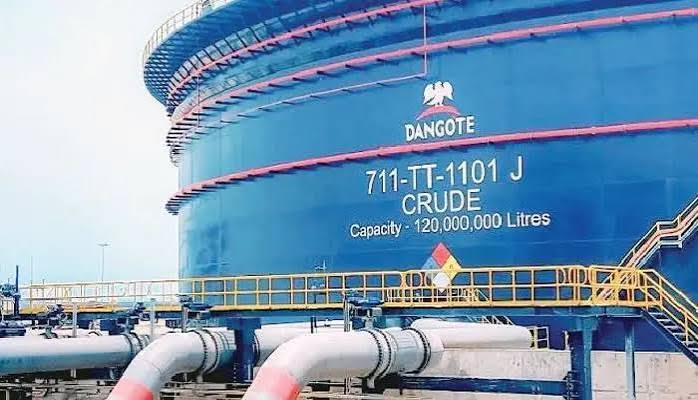
DANGOTE EXPLAINS PETROL PRICE HIKE AS APC, ADC CLASH OVER SUBSIDY
The controversy surrounding petrol prices, the debate over fuel subsidy and preparations for the 2027 general elections dominated Nigeria’s news cycle as several major developments emerged across the country.
One of the major stories was the explanation offered by the President of Dangote Group, Aliko Dangote, over the recent increase in the price of petrol produced by the Dangote Refinery.
The development comes amid renewed concerns over rising pump prices and the impact of higher fuel costs on households, businesses and transportation across the country. The refinery’s pricing decisions have continued to attract public attention as Nigerians look for relief from the rising cost of living.
The latest development has also fuelled a wider debate over whether Nigeria should reconsider its position on fuel subsidy.
The All Progressives Congress criticised former Vice President Atiku Abubakar’s proposal to restore petrol subsidy, arguing that returning to the subsidy regime could place additional pressure on the country’s finances. The opposition African Democratic Congress, however, demanded accountability over the huge sums previously spent on subsidy payments.
The political disagreement has further intensified the debate over how Nigeria should manage its petroleum sector while protecting citizens from the effects of high energy costs.
The APC maintained that subsidy payments had placed a heavy burden on government finances, while critics of the current policy argue that the removal of subsidy has contributed significantly to rising transportation costs, food prices and household expenses.
Beyond the petroleum sector, political activities ahead of the 2027 elections also featured prominently in the day’s major stories.
Opposition parties are stepping up efforts to build a stronger political alliance against President Bola Tinubu, with a planned opposition summit expected to focus on strategies for challenging the ruling APC in the next presidential election.
The political landscape is also witnessing developments within individual parties as politicians continue to position themselves ahead of the 2027 elections.
In another major development, Osun State Governor Ademola Adeleke reiterated his support for President Tinubu’s re-election bid, declaring that he would not reverse his decision to back the President in 2027.
Meanwhile, the Federal Government continued to face scrutiny over security and governance issues, with fresh reports highlighting the activities of security agencies and ongoing military operations against terrorists and other criminal groups.
Nigerian troops were reported to have carried out operations in Katsina, Sokoto and Plateau states, where terrorists were neutralised and weapons recovered. The operations form part of ongoing efforts by the security forces to disrupt armed groups and improve security across affected communities.
Another major national concern remains the rising threat posed by banditry, with reports emerging of the killing of eight farmers in Sokoto State in a reprisal attack.
The incident has once again drawn attention to the security challenges confronting rural communities, particularly farmers who face the risk of attacks while trying to cultivate their land.
The labour movement also featured prominently in the news following the death of NLC General Secretary Emmanuel Ugboaja. Labour organisations and civil society groups have continued to mourn the veteran unionist and advocate for workers’ rights.
Meanwhile, Nigeria’s economy recorded another notable development as formal remittances reportedly reached $947 million in July, bringing the figure close to the Central Bank of Nigeria’s monthly target of $1 billion. The increase has been linked to reforms aimed at improving the formal remittance system and encouraging more inflows through official channels.
The Federal Government is also pursuing measures to strengthen Nigeria’s digital infrastructure, with plans to expand domestic cloud capacity. The initiative is intended to reduce dependence on overseas infrastructure, lower foreign exchange-related costs and create more opportunities for local technology businesses.
Across the country, authorities are simultaneously dealing with public health and social concerns. Kano State, for instance, has announced plans to rehabilitate about 10,000 drug users within one year as part of efforts to address substance abuse and its impact on communities.
The day’s developments therefore reflect the wide range of issues currently shaping Nigeria from petrol prices and economic policy to political realignment, security, healthcare and preparations for the 2027 elections.
With the cost of living and fuel prices remaining major concerns for Nigerians, the ongoing arguments over subsidy, refinery pricing and government economic policies are expected to remain central to national discussions in the coming days.