


METRO
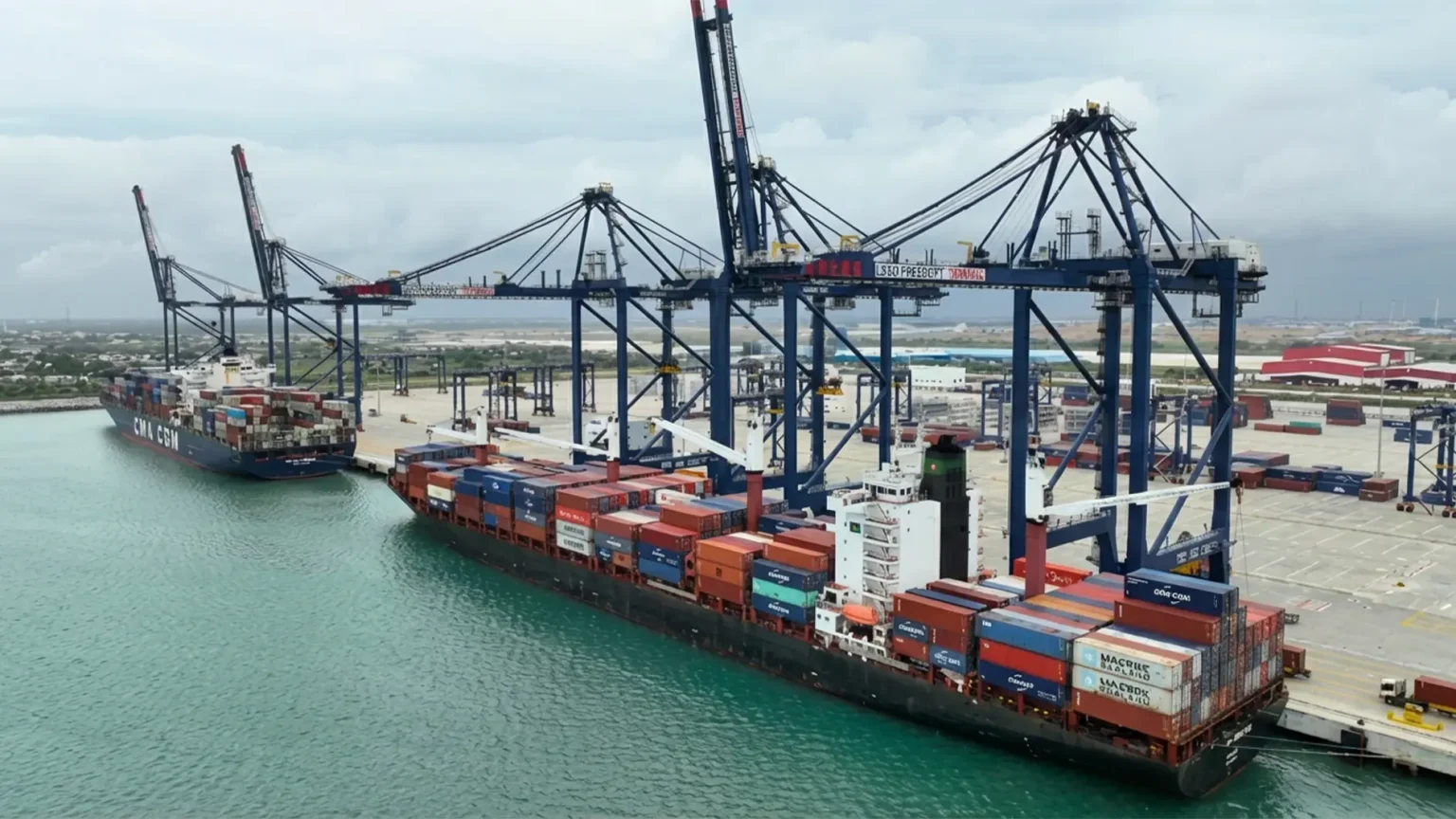
CHAOS AT NIGERIAN PORTS AS FIRMS OPERATE TERMINALS WITH DECADE-OLD EXPIRED LICENCES
Concerns have emerged over operations at Nigerian ports following reports that some terminal operators are continuing to conduct business with licences that expired more than a decade ago.
The development has raised questions about regulatory oversight, compliance and the management of critical port infrastructure, which plays a major role in Nigeria's international trade and revenue generation.
Terminal operators are responsible for handling cargo, managing port facilities and providing services that support the movement of imports and exports. Their operations are expected to comply with licensing requirements and other regulations established by relevant government authorities.
The reported situation has prompted concerns about how companies with expired operating licences have continued to function and whether the necessary regulatory procedures have been followed.
Stakeholders in the maritime sector have consistently called for improved transparency, efficient port administration and stronger enforcement of regulations to address operational challenges.
Nigeria's ports remain central to the country's economy, serving as major gateways for international commerce. However, congestion, delays in cargo clearance, high operating costs and infrastructure limitations have continued to affect the efficiency of port operations.
Questions surrounding expired terminal licences could further intensify calls for the government to review existing concession arrangements and ensure that operators meet their contractual and regulatory obligations.
A transparent review of the licences would help establish the status of affected companies and determine whether regulatory breaches have occurred.
The situation also highlights the importance of effective supervision in the maritime industry to protect public interests, encourage investment and improve the competitiveness of Nigerian ports.