


BUSINESS
CEMENT PRICE SURGE WORSENS NIGERIA’S HOUSING CRISIS
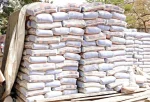
The recent surge in cement prices is worsening Nigeria’s housing crisis by increasing construction costs, property values and rents, building sector operators have warned.
The warning follows reports that the price of a 50kg bag of Dangote Cement has risen above ₦15,000 in some locations, amid an ongoing investigation by the Federal Competition and Consumer Protection Commission into possible price increases in the cement industry.
Building professionals have called for urgent intervention to stabilise the market, improve competition and address possible market abuses.
Architect Amusan Oluseyi said the price increase was difficult to justify given Nigeria’s large limestone deposits and estimated cement production capacity of between 60 million and 65 million metric tonnes annually.
He said the rising cost of cement was already affecting prospective homeowners by making construction more expensive and pushing up rents and property prices.
The Lagos Chamber of Commerce and Industry’s Engineering and Construction Group Chairman, Soji Adeniji, however, attributed the latest spike largely to temporary scarcity rather than an official price increase by manufacturers.
Adeniji said recent plant maintenance and access restrictions at some material depots had affected supply, creating room for distributors to increase prices. He expressed optimism that improved product availability would help bring prices down.
The Public Relations Secretary of the Nigerian Institute of Quantity Surveyors, John Agbezin, identified energy costs, foreign exchange pressures, logistics, insecurity and multiple taxes as factors contributing to the rising cost of cement production and distribution.
He also noted that strong demand from major infrastructure projects was putting additional pressure on available supplies.
Industry stakeholders urged the FCCPC to conclude its investigation into the cement market and publish its findings, particularly if evidence of cartel activity or other market abuses is established.
They also called for greater competition by encouraging more investment in cement production, as well as the development of alternative building materials and construction methods.
Stakeholders maintained that reducing cement price volatility would be important to making housing more affordable and ensuring that Nigerians can build homes without facing unpredictable construction costs.
They urged government and regulators to address supply constraints, reduce production and logistics costs, and promote greater transparency across the cement value chain.