


INTERNATIONAL
BRAZIL’S PRESIDENT BANS SPORTS BETTING DAYS AHEAD OF ELECTION
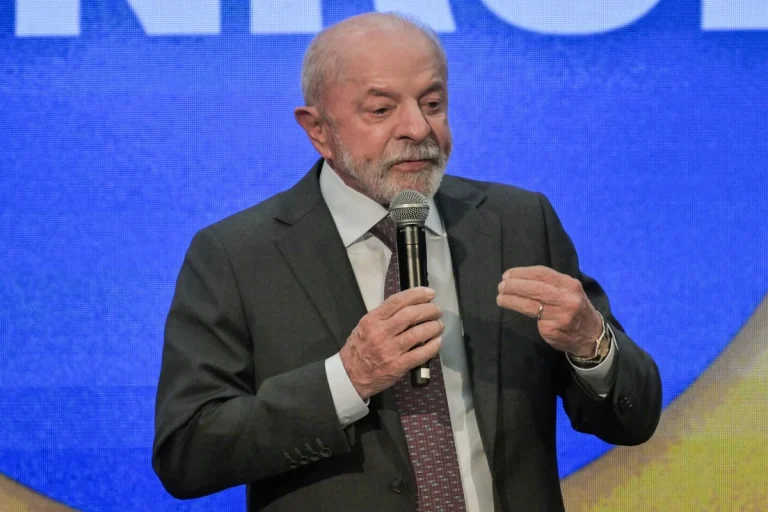
Brazilian President Luiz Inácio Lula da Silva has signed a measure banning online sports betting and other fixed-odds betting activities in the country, just days before the October 4 presidential election.
The measure, announced on Friday, September 25, prohibits the operation, offering, intermediation and advertising of fixed-odds betting platforms, commonly known as “bets.” It covers both sports betting and online games.
Brazil’s Finance Minister, Dario Durigan, said no new money could be deposited into betting platforms following the announcement. The government also said existing betting sponsorship agreements would be terminated, with the ban on legal sites and sponsorships taking effect from October 6.
The measure comes less than two years after Brazil introduced a regulatory framework for the betting industry. Under the previous system, licensed operators were allowed to provide fixed-odds betting services subject to government regulation.
The government said the decision was driven partly by concerns over the impact of gambling on household finances and public health. Officials said more than 60 billion reais had flowed from Brazilian families to legal betting companies.
Lula said he had spoken to a young man who had attempted suicide three times because of gambling addiction and described the decision as a necessary and drastic measure.
The new policy has significant implications for Brazilian football, where betting companies have become major sponsors of clubs. Several clubs have criticised the ban, arguing that betting sponsorships have become an important source of revenue.
Flamengo, one of Brazil’s major football clubs, described the decision as a serious blow to Brazilian sport and warned that its effects could extend beyond professional football to youth academies, women’s football, Olympic sports and other competitions.
The club also questioned the decision to change the regulatory framework after companies and sports organisations had made financial commitments under the previous rules.
According to the government, 85 betting licences had been granted, with each licence valued at 30 million reais. The new policy means operators will no longer be able to provide the services covered by the ban.
The National Association of Games and Lotteries, which represents licensed betting operators, warned that a complete prohibition could push gamblers towards illegal betting platforms.
The association also raised concerns about lost tax revenue and jobs. The betting sector paid about 9.95 billion reais in taxes to the federal government in 2025, according to figures cited in the report.
The industry group argued that stronger oversight and regulation would be preferable to an outright ban, saying prohibition could make it harder for authorities to control the market.
The ban requires congressional approval to remain in force beyond the constitutional period for a provisional measure. Under the current process, Congress must approve the measure within 120 days for it to continue.
The decision has also become part of the political debate ahead of Brazil’s election. Lula is seeking another term, while Senator Flávio Bolsonaro is among his main opponents.
Flávio Bolsonaro criticised the measure, describing it as politically motivated and accusing Lula of using the policy for electoral purposes. That characterisation is Bolsonaro’s claim, rather than an established finding.
The Brazilian government has defended the measure primarily on public-health and consumer-protection grounds, while betting operators and some football clubs have raised concerns about its economic consequences.
The government has also announced measures aimed at strengthening action against illegal betting and protecting households affected by gambling-related debt.