


NATIONAL NEWS
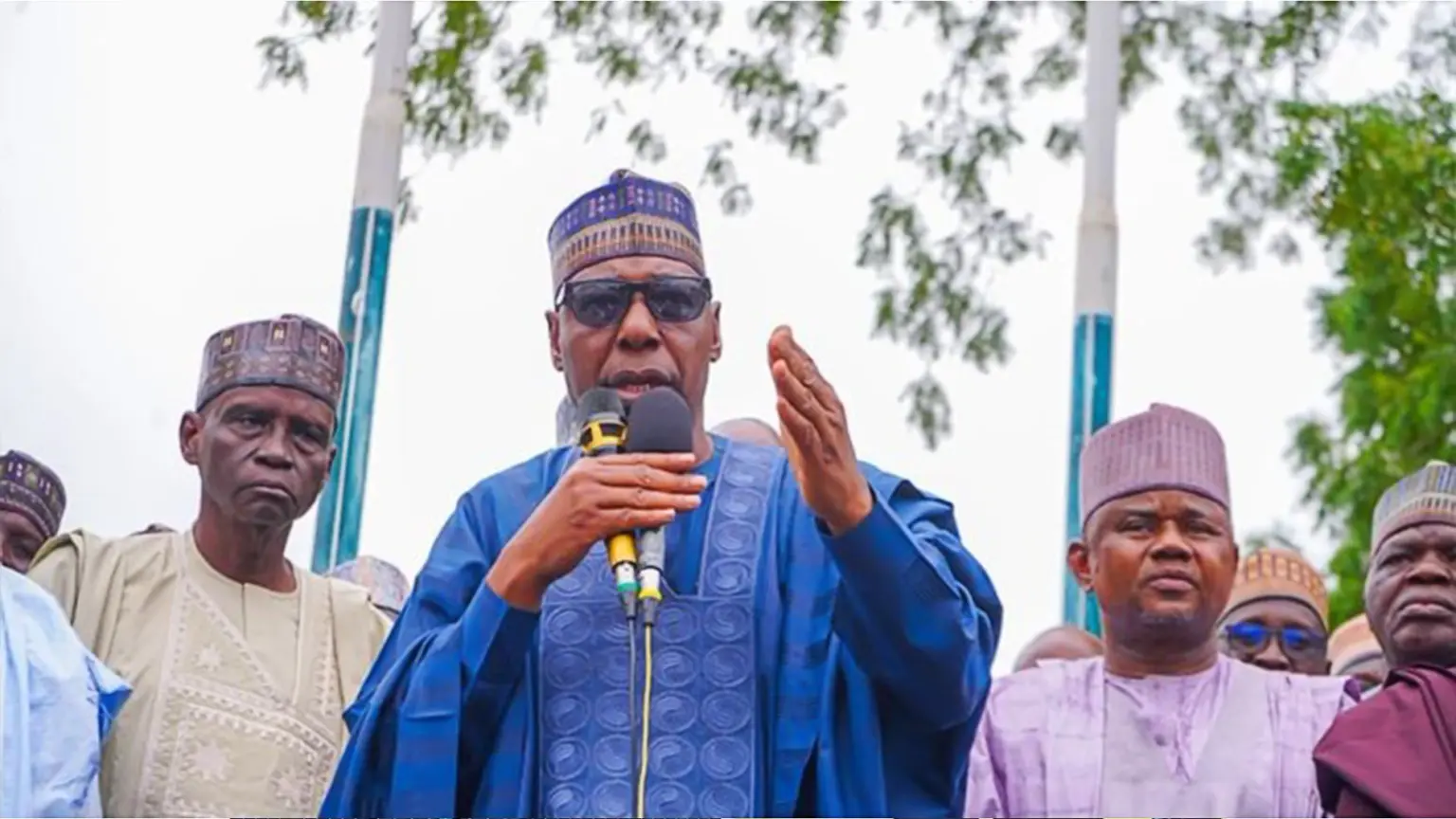
BORNO SCRAP DEALERS DISOWN NATIONAL BODY’S CLAIMS, BACK ZULUM’S REFORMS
Scrap dealers in Borno State have rejected claims made by their national association and expressed support for reforms introduced by Governor Babagana Zulum.
The development highlights a disagreement within the scrap metal trade over issues affecting operators in the state and the direction of government efforts to regulate the sector.
Scrap dealers play an important role in recycling and waste management by collecting and trading discarded metals and other reusable materials. Their activities can support small businesses, create jobs and provide raw materials for industries that depend on recycled products.
However, the trade also presents regulatory challenges, particularly where authorities are concerned about the theft of metal infrastructure, the handling of stolen materials and the security implications of certain scrap trading activities.
Government reforms aimed at addressing these concerns can include tighter monitoring of scrap yards, improved registration procedures and measures to ensure that operators comply with established rules.
By backing Zulum’s reforms, the Borno scrap dealers appear to be signalling their support for the state government's approach to managing the industry. Their rejection of the national body's claims also raises questions about whether the association's position reflects the views of its members operating in the state.
For traders, the outcome of the disagreement could affect how their businesses operate and interact with government authorities. Clear regulations and effective communication are important to ensure that legitimate operators can continue their activities while authorities address illegal practices.
The situation also underscores the importance of representation within trade associations. National bodies are expected to communicate the interests of their members, but disagreements can emerge when local operators have different experiences or priorities.
For the Borno State Government, the challenge will be to ensure that reforms are implemented fairly, with room for legitimate businesses to raise concerns and seek clarification about policies affecting their livelihoods.
Ultimately, the success of the reforms will depend on whether they improve oversight, protect public assets and create a more transparent environment for scrap dealers to operate.